It was a rainy night. The lights suddenly went out and the whole room darkened. I turned on the flashlight on my phone and rummaged through the corner of the cabinet for a candle, but the more obvious change at that time was that the room became quiet. The running sound of the electrical appliances ceased, and the background sounds of the daily environment vanished, leaving only darkness.
At that moment, I realized that when there is a power outage, what is often lacking is not lighting but a dual power transfer switch, a device that can continuously and stably provide power supply.
Power Outages Are Actually The Norm
When you broaden your perspective from individual households, you’ll find that power outages are not isolated incidents.
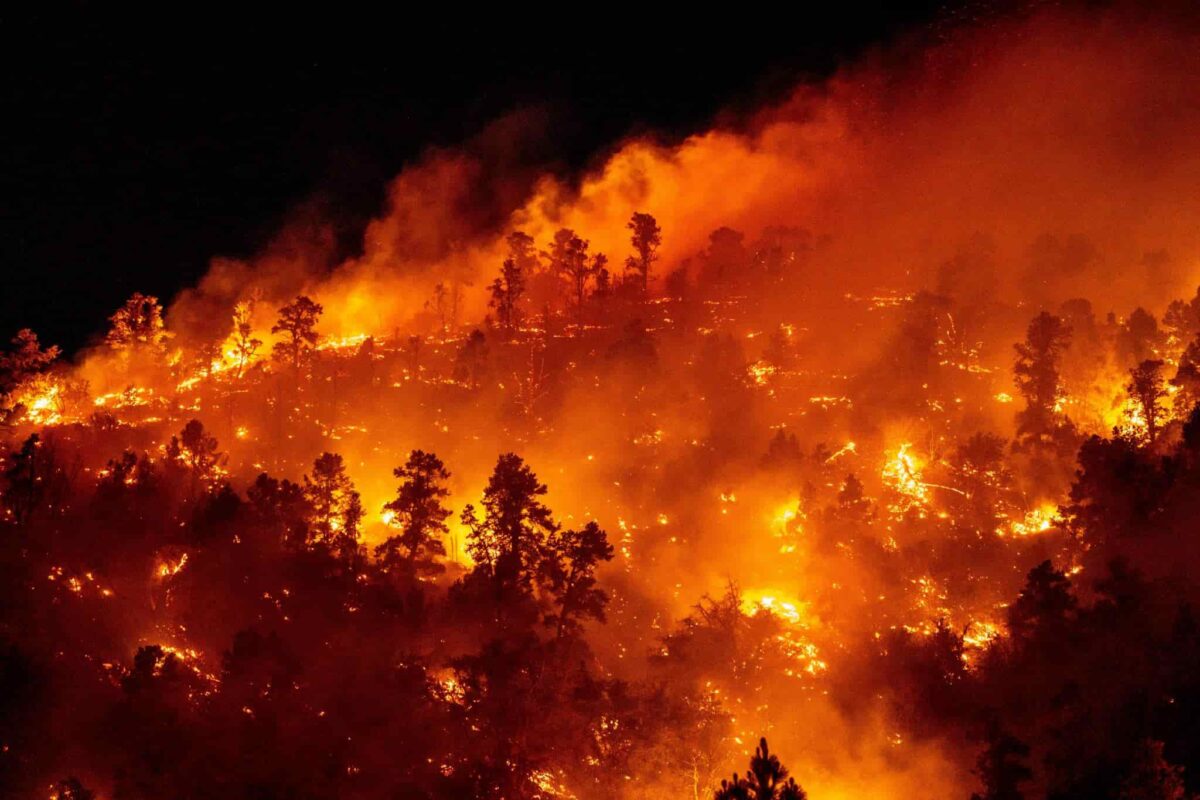
- The western United States is an area prone to wildfires, and utility companies will activate the “one shot” mode during fire season. This means that when the power system detects a fault, it will directly cut off the power, with outages lasting from one day to several days, and TDPUD cannot control the timing or duration of the outage.
- In areas such as coastal regions or low-lying inland areas that are susceptible to hurricanes and storms, strong winds, heavy rain, and snow accumulation can easily damage power facilities, leading to large-scale power outages. Such storms typically have short warning periods but are highly destructive, and repairs are difficult.
- In some areas with relatively weak power infrastructure, voltage instability and unplanned power outages occur more frequently.
Why Do Regulations Mandate The Use Of Interlocking Devices?
In the United States, the National Electrical Code (NEC) clearly stipulates that when a backup generator is used, an interlocking device with a disconnector or transfer switch should be installed to prevent accidental parallel connection between different power sources.
If there is no appropriate interlocking device, the current output by the generator may flow back into the public power grid. This will seriously threaten the personal safety of the power workers who are conducting maintenance on the lines, and it may also damage your own generator and electrical equipment.
Different Scenarios Require Different Interlocking Switches
Depending on budget and automation requirements, there are currently three mainstream types of interlocking switches:
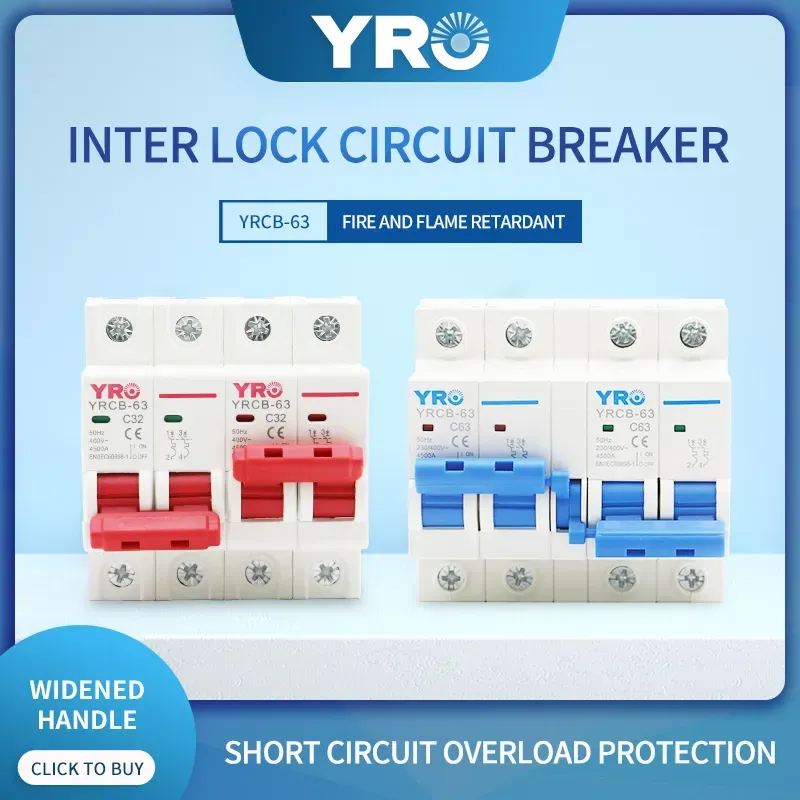
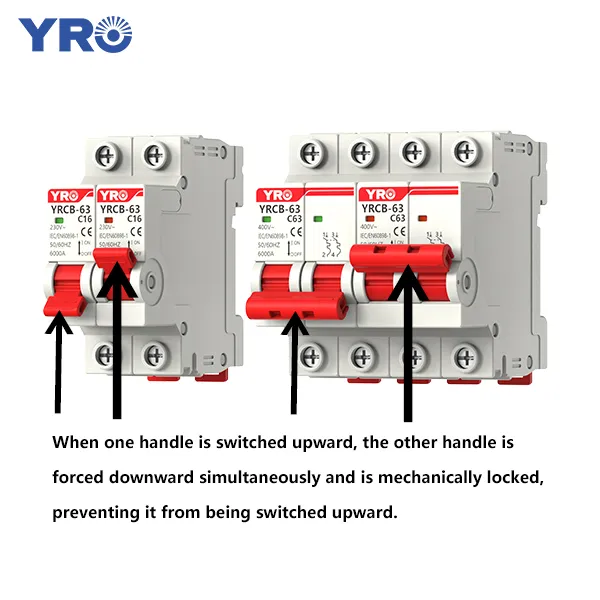
Interlock Circuit Breaker
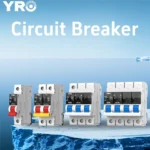
This is an entry-level switch. The interlock circuit breaker is the lowest-cost power transfer device. When the main power supply fails, the circuit breaker connected to the backup power source can be manually closed. After closing, the main power circuit breaker will automatically trip, and its handle will be locked to prevent accidental re-engagement. This design aims to avoid backfeeding caused by the simultaneous connection of two power sources.
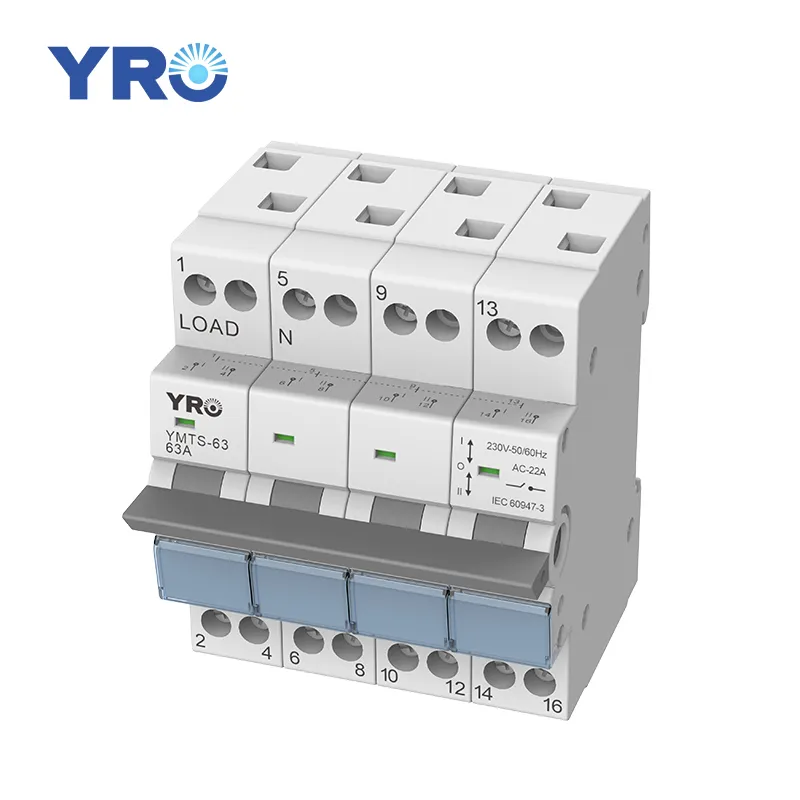
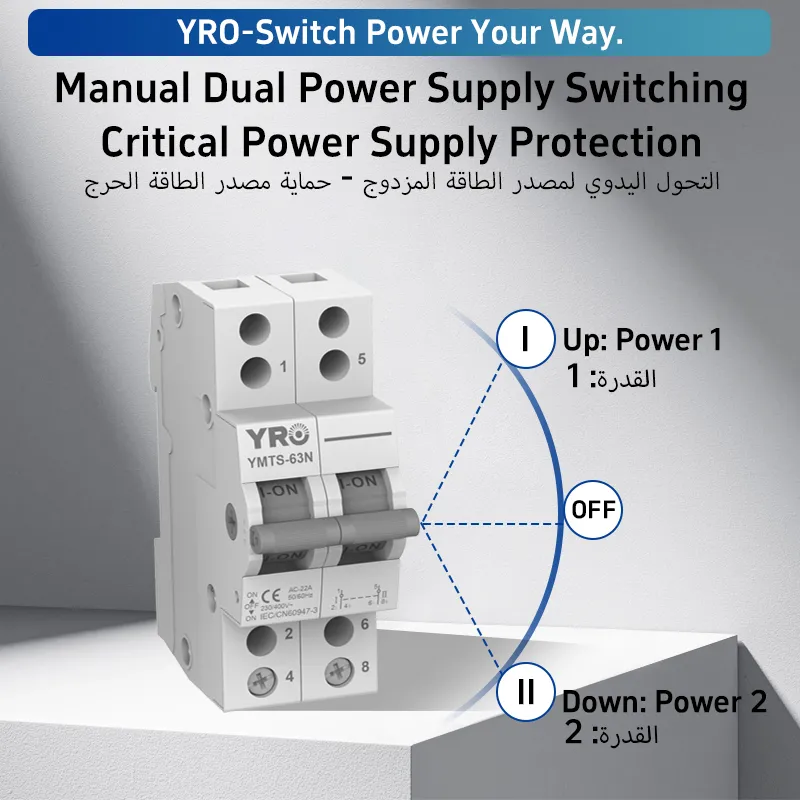
Manual Transfer Switch
MTS is an upgraded switch. Compared to interlock circuit breakers, it has a smaller size and is suitable for use in situations with limited installation space. At the same time, MTS also incorporates design features to prevent backfeeding.
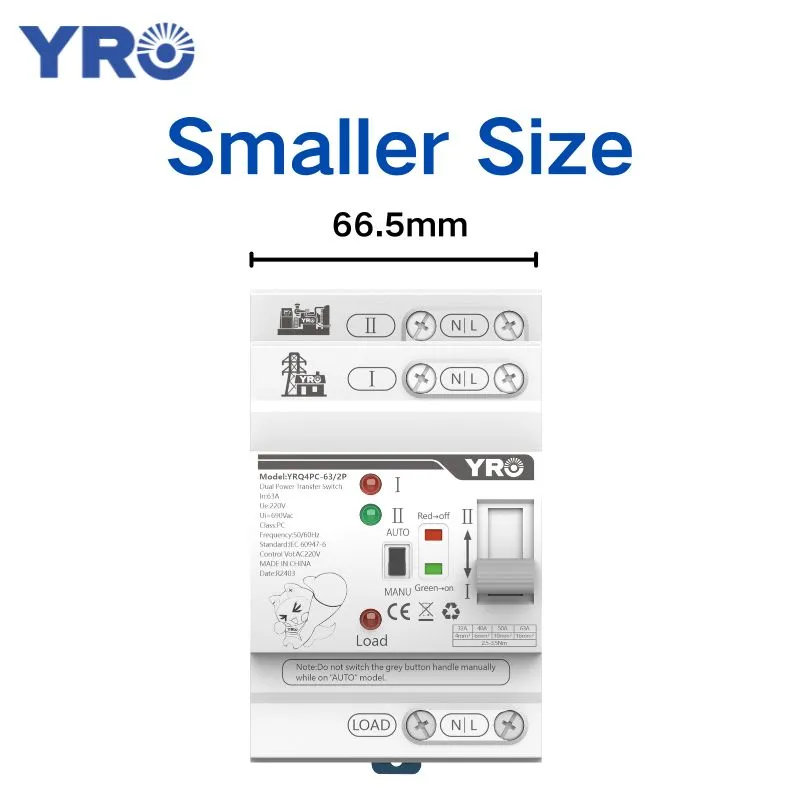
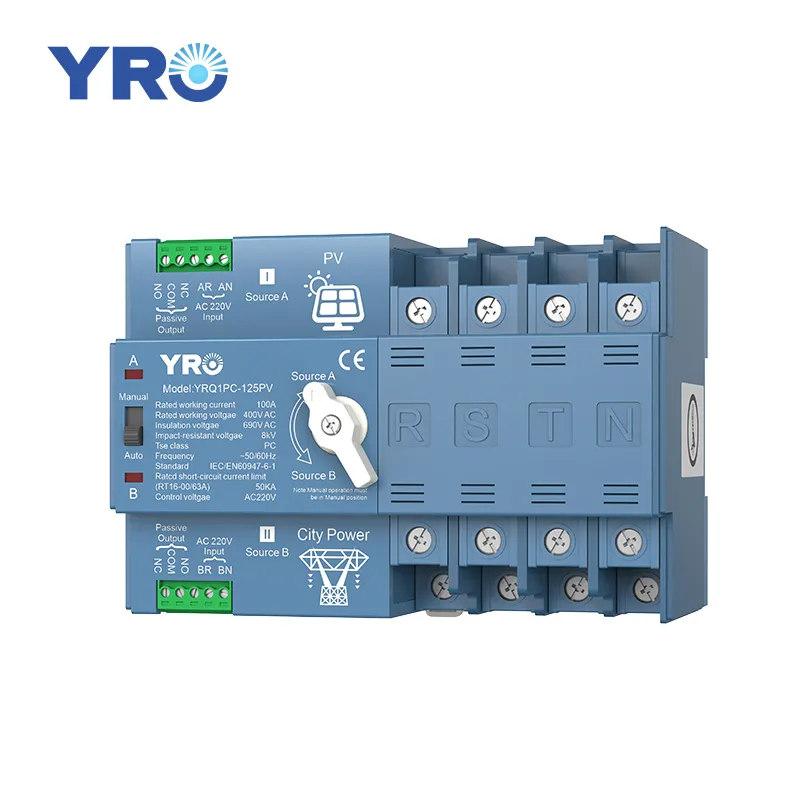
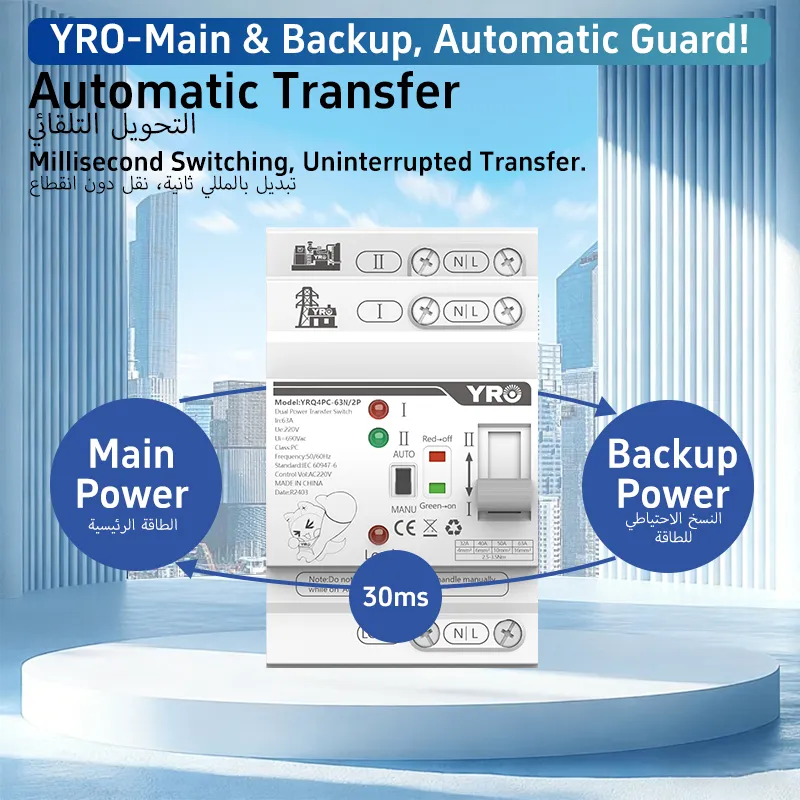
Automatic Transfer Switch
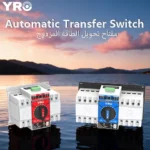
ATS is the most expensive switch. It has a built-in voltage monitoring module. When it detects a main power failure, it automatically switches to the backup power source. When the main power is restored, it switches back automatically. The entire process requires no human intervention.
ATS is suitable for households with high requirements for power continuity, homes with medical equipment that requires continuous power supply, and families seeking convenience.
Conclusion
Overall, building a household power backup system requires a comprehensive consideration of multiple factors: including assessing the local power usage environment, relevant safety regulations, and choosing appropriate equipment based on actual power usage needs.
From manual interlock circuit breakers with basic safety functions to user-friendly MTS and ATS that can switch automatically, choosing the right equipment helps maintain the basic safety and stability of household electricity usage in the event of power outages, weather conditions or other emergencies.