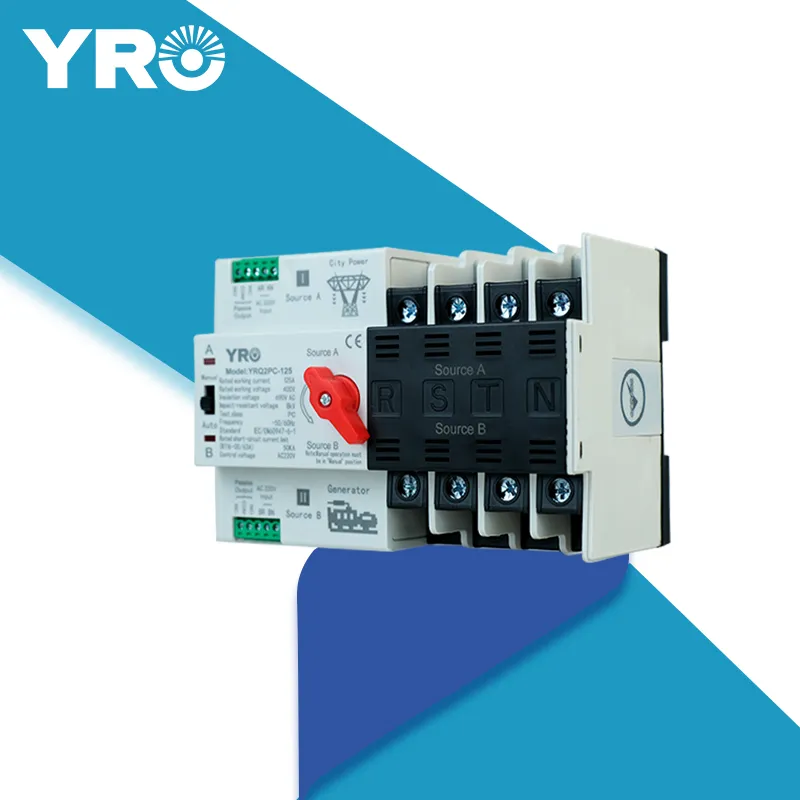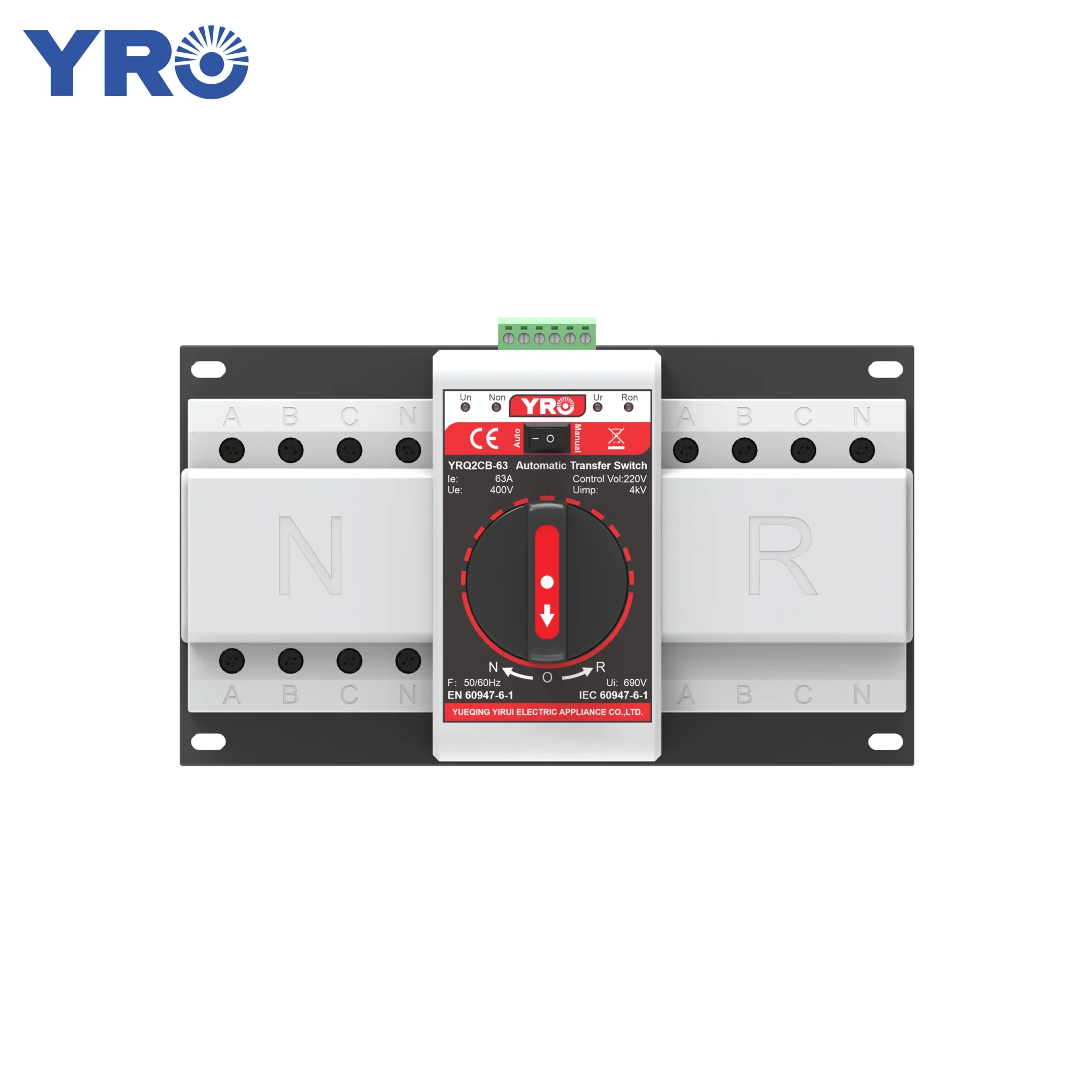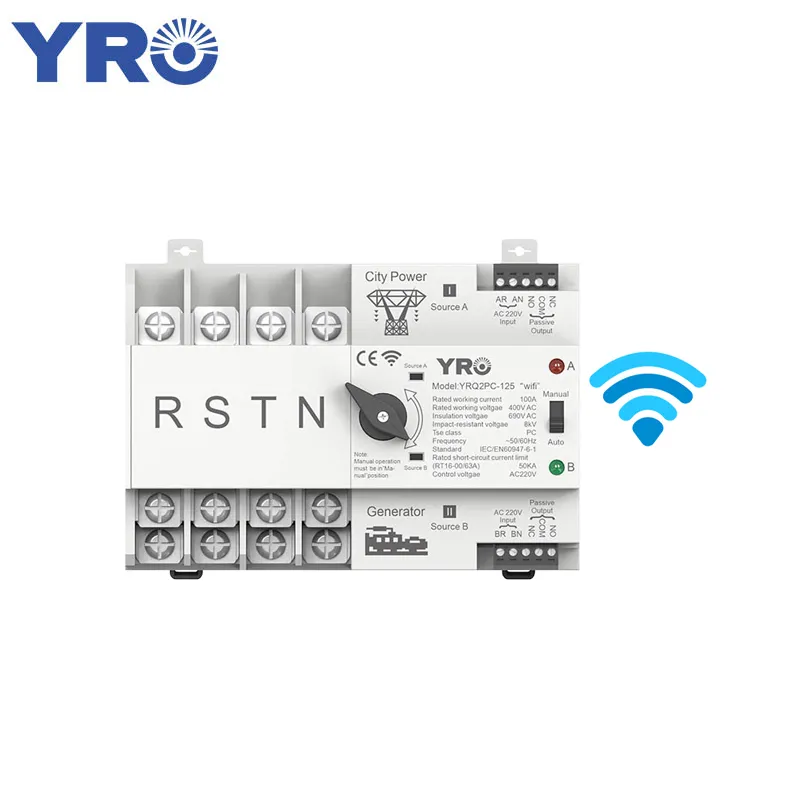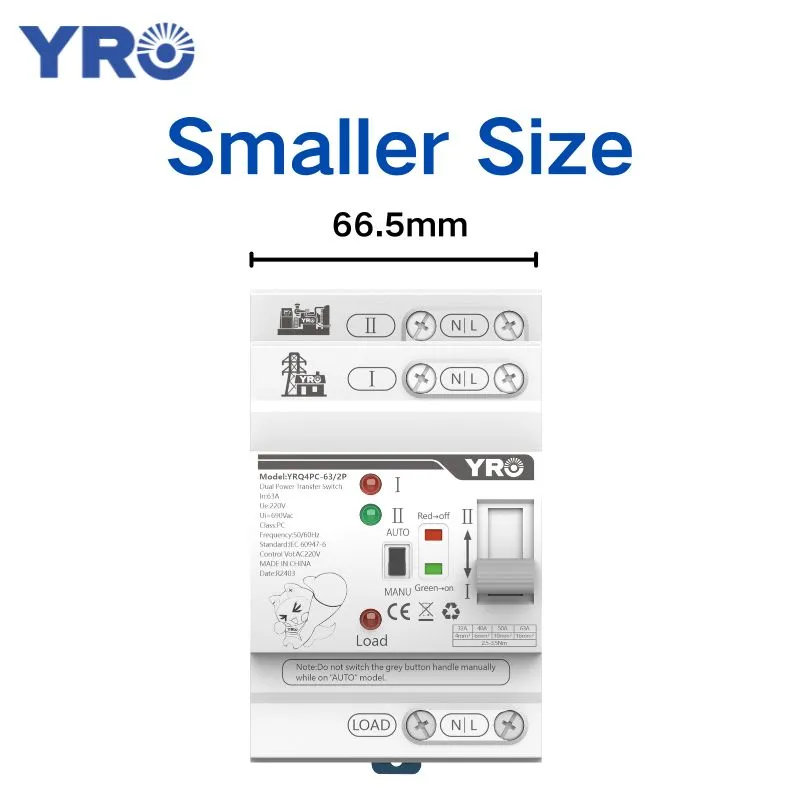
The global demand for automatic transfer switches is in a growth stage. With the increase in infrastructure projects, renewable energy systems, data centers and backup power applications, such products have played a positive role in maintaining a continuous power supply.
Global ATS Market Overview
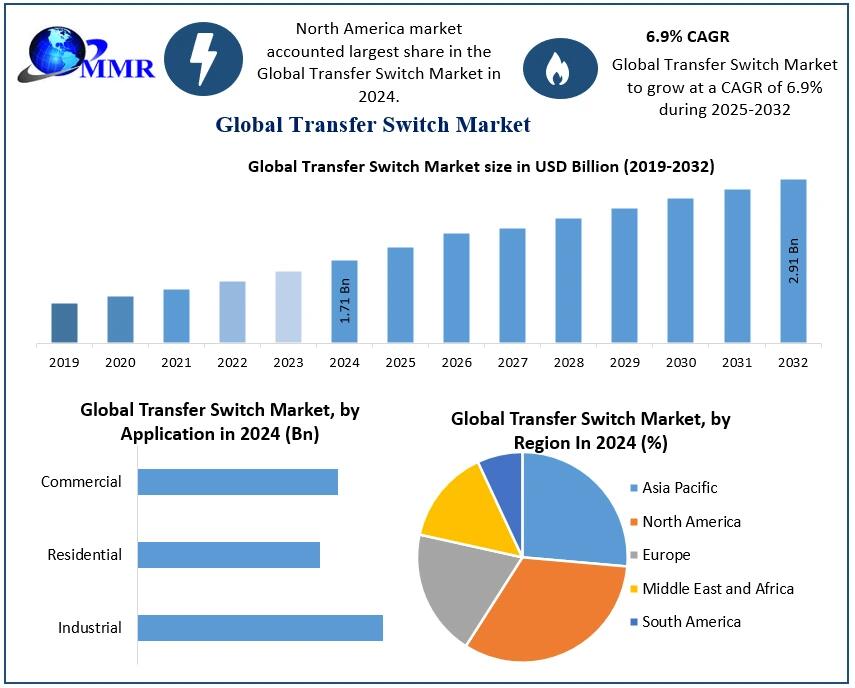
According to publicly available market information, the global ATS market size in 2024 was approximately 1.5 to 1.7 billion US dollars. It is expected that between 2025 and 2032, the market will maintain a growth trend with a compound annual growth rate of about 6.9%, showing an overall upward development trajectory.
Regional Market Depth Analysis: Where is Demand Concentrated?
North America
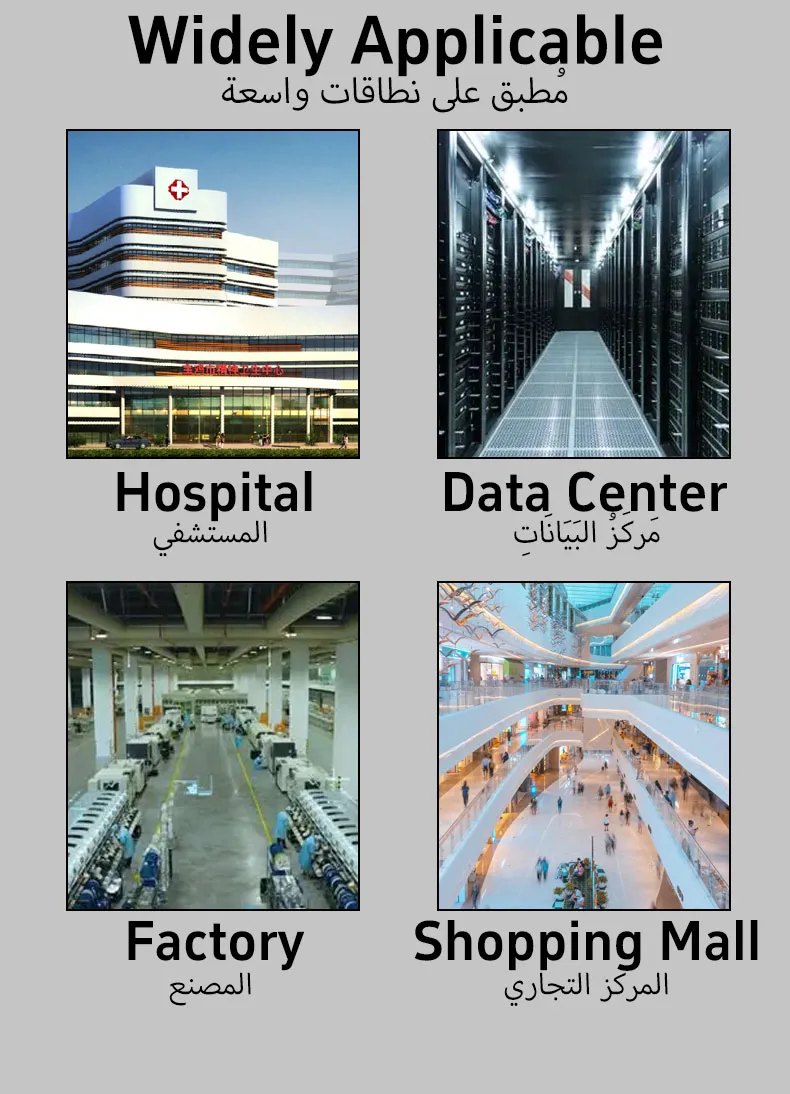
North America is a dominant region characterized by highly concentrated data centers, well-developed critical medical infrastructure, and the drive of industrial customers who require uninterrupted power supply. This region is at the forefront in adopting advanced ATS devices that are compatible with smart grids. The demand for reliable and large-capacity switches in the industrial and commercial sectors is particularly strong.
Asia-Pacific Region
The Asia-Pacific region is the fastest-growing market for ATS, driven by explosive economic development. Key factors include:
- Rapid urbanization: Large-scale construction of commercial real estate, transportation hubs, and smart cities in China, India, and Southeast Asia.
- Industrial expansion: The growth of the manufacturing industry, which requires stable electricity to ensure continuous operation.
- Increased awareness of power quality: Rising incidents of power outages are pushing businesses and high-end residential consumers to invest in backup systems.
- Government initiatives: National plans aimed at improving grid reliability and digital infrastructure.
Europe
The driving force of the European market stems from the continent’s strong focus on energy security, sustainability and the integration of distributed renewable energy. In addition, strict electrical installation standards and the increasing application of intelligent building systems have also driven the adoption of ATS in commercial and industrial facilities.
Middle East and Africa
In the Middle East and Africa regions, ATS demand is gradually rising with the advancement of residential, commercial, and infrastructure construction projects. In some areas, unstable grid supply and reliance on generator backup make ATS indispensable equipment. It is noteworthy that the Middle East has become a growth hotspot for power switching solutions due to large-scale projects and events (such as regional expos and infrastructure expansion).
Main Application Areas Driving ATS Demand
- The industrial sector: The largest application segment, driven by high downtime costs in manufacturing, process industries, and public utilities. The demand tends to favor switches that are robust and durable, have a high ampere rating, and feature advanced monitoring functions.
- Business sector: A rapidly growing segment, covering offices, telecommunications towers, retail complexes, and especially data centers. Reliability and uninterruptible power supply are of great importance.
- Residential sector: An increasingly important market, especially in areas with unreliable power grids or among homeowners with high-end appliances and home offices. The trend of smart homes has also given rise to the demand for more integrated ATS solutions.
- Renewable energy hybrid systems: Places that combine the power grid, solar energy, wind energy or batteries usually rely on ATS to manage power switching safely and efficiently.
Market Competition Landscape
The global ATS market is a fiercely competitive and relatively concentrated field, dominated by a handful of multinational electrical giants and well-known companies focused on power solutions.
Current market leaders mainly include Schneider, Eaton, Cummins, ABB, ASCO, and Siemens, among others. These companies hold a major market share relying on their strong brand influence, extensive product lines, global sales and service networks, and deep technical expertise.
Market Tiers
First Tier (Global Leading Brands):Such as ABB, Schneider, and Eaton. These enterprises possess strong R&D capabilities, strict quality systems, complete certification chains, and global channel networks. The focus of their competition lies in technological leadership.
Second Tier (Regional Mainstream Manufacturers): For example, Chint, Delixi. These companies typically hold a significant market share in certain regions. They have certain R&D capabilities, offer relatively high cost-effectiveness, and can meet local certification and engineering requirements.
Third Tier (Small and Medium-sized Manufacturers): These companies are mostly integrated trade-production entities or production-focused firms. They have high flexibility and are good at customization, OEM/ODM, and fulfilling small-batch demands. They experience strong demand in emerging markets (Southeast Asia, the Middle East, Africa, South America).
Conclusions and Prospects
The global demand for automatic transfer switches is closely related to the requirements of various industries for continuous and stable power supply. At present, this market maintains a growth trend, providing development space for the related industrial chain.
The future development of the ATS market will be influenced by several factors: the advancement of global data center construction, the upgrading of power grids and the promotion of microgrids, the demand for power management brought about by the integration of renewable energy, and the increasing need for intelligent power equipment. Sales in regions such as Asia-Pacific are expected to grow rapidly, while mature markets may make more progress in product intelligence and system integration.
For users, choosing ATS is not only about purchasing a switchgear, but also about providing support for the stable operation of the power system. For enterprises in the industry, it is necessary to pay attention to the specific demands of different regions and market segments, and provide reliable switching solutions that can adapt to the development trend of electrification by continuously improving products.