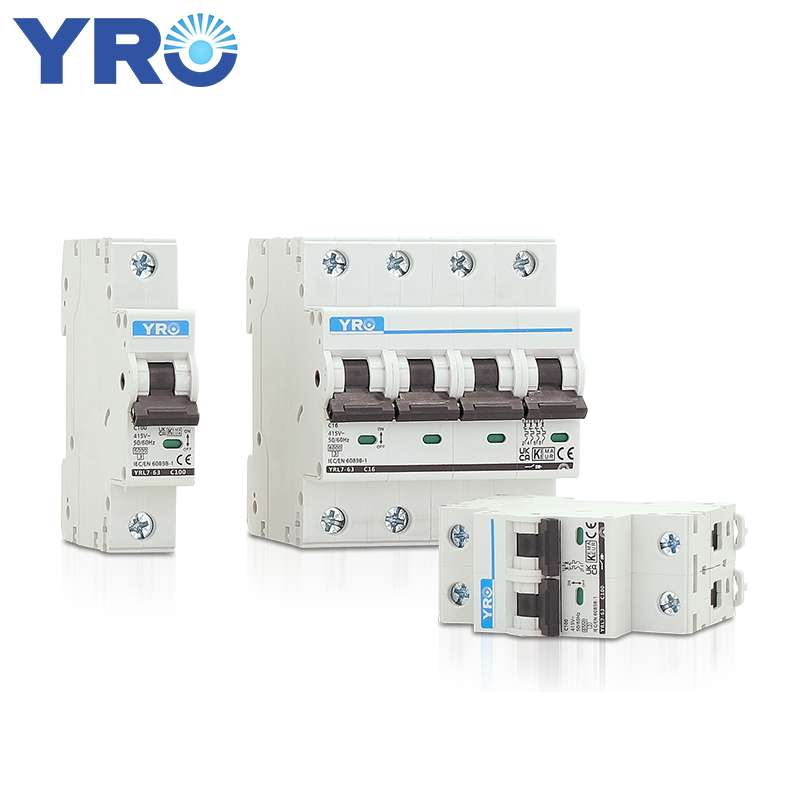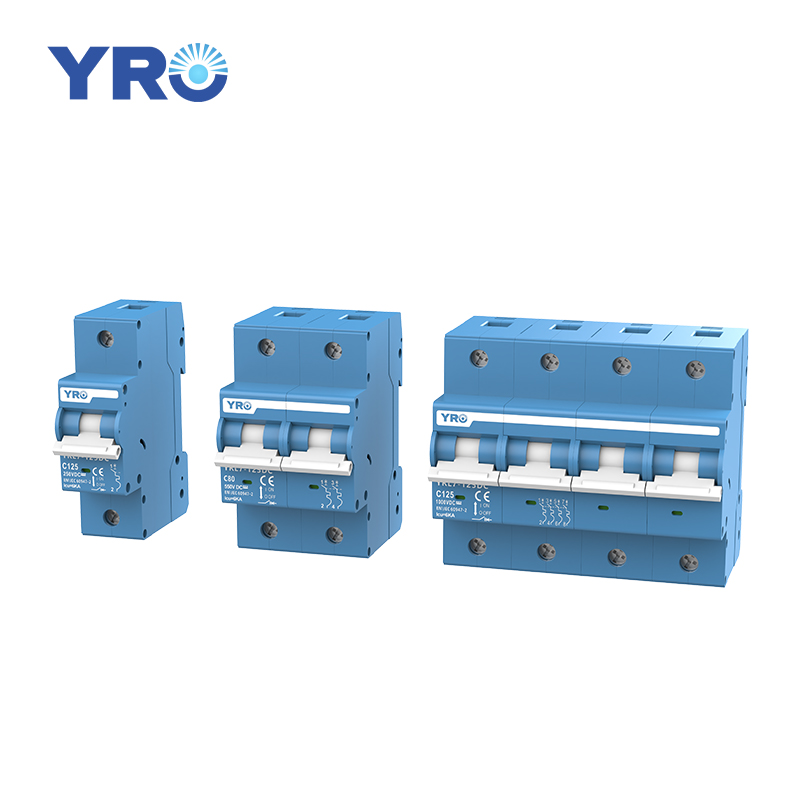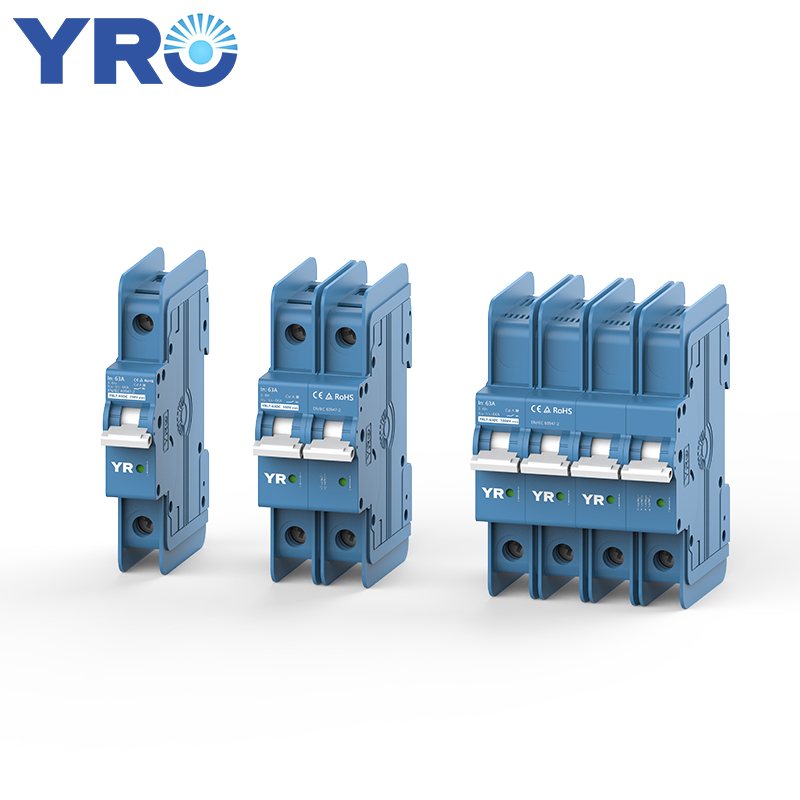
Ja, Sie haben richtig gehört. Erst kürzlich haben wir die Nachricht von der F&E-Abteilung erhalten, dass die neue Generation von YRO Stromkreisunterbrecher leise ihr Upgrade abgeschlossen hat und kurz vor der offiziellen Vorstellung steht.
Wir glauben, viele alte Freunde, wie wir, haben eine Frage im Kopf: In einem so reifen Markt, welche neuen Tricks kann ein Leistungsschalter wohl ausführen?
Heute werde ich Ihnen zeigen, was genau am neuen Leistungsschalter aktualisiert wurde. Was sind die Unterschiede zum alten Modell? In diesem Artikel werden wir jeden Punkt klar und deutlich einzeln betrachten.
Was hat YRO aktualisiert?
 Ästhetisches Upgrade
 Ästhetisches Upgrade
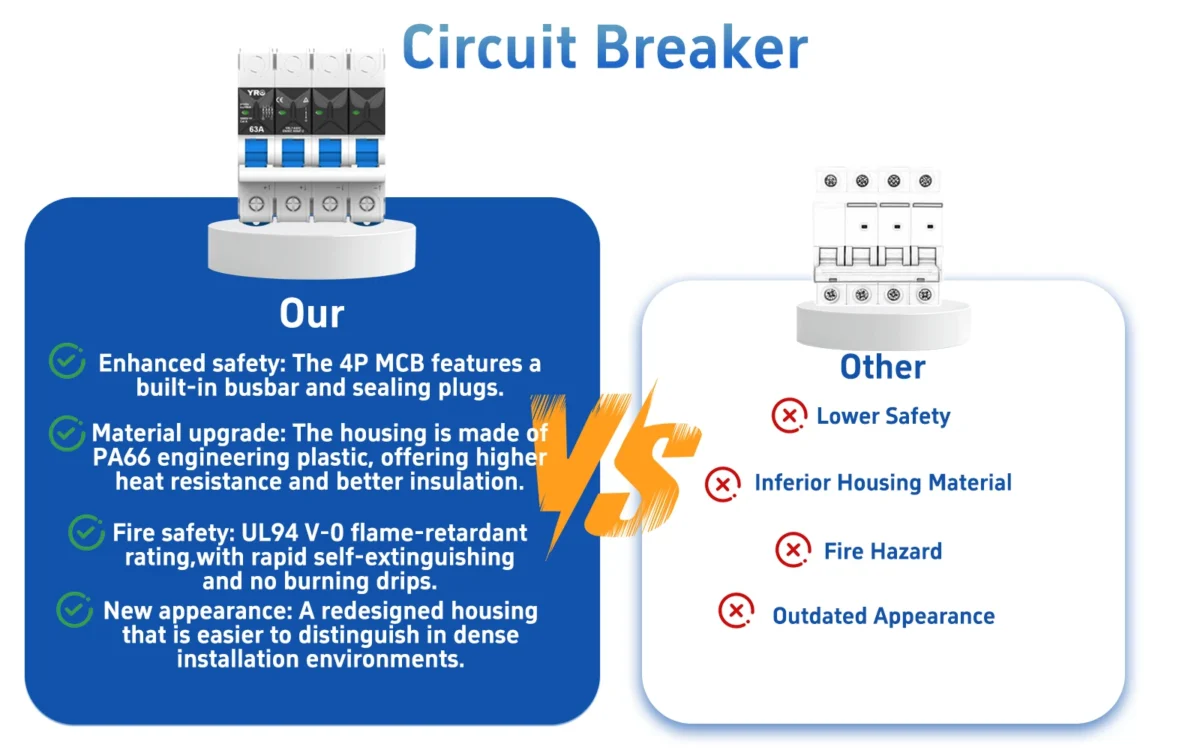
Die unmittelbarste Veränderung kommt von der Erscheinung. Der neue YRO-Leistungsschalter verfügt über eine völlig neu gestaltete Außenschalenstruktur, die ein unabhängiges Außendesign aufweist, das durch Patente geschützt ist.
Die klarere strukturelle Kontur und die rationalere Formgestaltung machen den Leistungsschalter leichter innerhalb eines Verteilerkastens oder Schrankes zu identifizieren, was hilft, Fehlurteile während der Installation und Wartung zu reduzieren.
Zum Vergleich:
- Das Erscheinungsbild des alten Modells war recht konventionell, ähnlich wie viele Produkte auf dem Markt.
- Das neue Modell verfügt über ein unabhängiges Design, das es einfacher macht, es in dicht installierten Umgebungen zu unterscheiden.
Sicherheitsverbesserung
In der neuer 4P-Leistungsschalter, hat YRO gezielte Optimierungen an der internen Struktur vorgenommen, es auf eine integrierte Sammelschiene aufgerüstet und eine Dichtstopfenstruktur hinzugefügt.
Die integrierte Sammelschiene gewährleistet eine zuverlässigere Verbindung; der Dichtstopfen fungiert als physikalische Barriere und verhindert, dass Staub eindringt. Dies reduziert effektiv potenzielle Gefahren durch unnötigen Kontakt und macht die interne Anordnung kontrollierter und sicherer.
Für Installateure ist die Bedienung klarer; für die Benutzer ist der Systembetrieb beruhigender.
Materialoptimierung
Material ist ein entscheidender Faktor für die langfristige Stabilität eines Leitungsschutzschalters. Das neue YRO-Leistungsschalter verfügt über ein Upgrade seines äußeren Gehäusematerials auf PA66.
PA66 bezieht sich auf Polyamid 66, auch bekannt als Nylon 66, eine Art von Hochleistungs-Engineering-Kunststoff.
Warum PA66 für das Gehäuse eines Leitungsschutzschalters verwenden?
Die Miniaturleistungsschutzschalter ist ein elektrisches Gerät, und das Gehäusematerial muss die folgenden anspruchsvollen Bedingungen erfüllen, und PA66 ist genau in der Lage, diese zu erfüllen:
- Hitzebeständigkeit (HDT etwa 250°C): Der Leitungsschutzschalter erzeugt während des Betriebs Lichtbögen und Wärme, und PA66 kann seine Festigkeit bei hohen Temperaturen aufrechterhalten und verformt sich weniger wahrscheinlich.
- Mechanische Festigkeit (Schlagfestigkeit): Es hat eine hohe Zugfestigkeit und Schlagfestigkeit, schützt den internen präzisen Schaltmechanismus vor äußeren Stößen und Schäden.
- Isolierleistung: Die elektrische Isolierleistung von PA66 ist ausgezeichnet und verhindert effektiv Stromleckagen.
Brandsicherheit
In der Elektrosicherheit ist Flammbeständigkeit nicht nur ein Merkmal – es ist eine Notwendigkeit. Unser neuer Leitungsschutzschalter trägt jetzt eine UL94 V-0 Bewertung.
UL 94 ist ein Kunstoffentzündungsstandard, der von den Underwriters Laboratories in den Vereinigten Staaten entwickelt wurde.. Es bewertet die Reaktion eines Kunststoffs auf eine offene Flamme, misst die Zündzeit, die selbstverlöschenden Eigenschaften und ob brennende Tropfen einen Baumwollindikator entzünden können. UL 94 ist mit anderen internationalen Standards kompatibel und somit weltweit für Tests zur Brandschutzsicherheit anwendbar.
V-0 ist die strengste Stufe innerhalb seiner Klassifikation (unter V-0 / V-1 / V-2). Um die V-0-Bewertung zu erreichen, müssen die folgenden strengen Bedingungen erfüllt sein:
- Kurze Selbstverlöschungszeit
Während zweier Flammenanwendungstests darf die Flammenexpositionszeit 10 Sekunden nicht überschreiten, und das Material muss sich innerhalb von 10 Sekunden nach Entfernen der Flamme jedes Mal selbst löschen.
- Keine brennenden Tropfen
Das Material darf während der Verbrennung kein brennendes geschmolzenes Material abtropfen lassen. Dies ist entscheidend, da fallendes heißes Schmelzmaterial andere Objekte darunter entzünden und zu einer Brandausbreitung führen kann.
Bei normalem Gebrauch sind die flammhemmenden Eigenschaften des Materials schwer direkt wahrnehmbar. Im Falle eines Unfalls spielt es jedoch eine praktische Rolle bei der Risikokontrolle. Diese Verbesserung spiegelt die Berücksichtigung von Produktsicherheitsdetails wider und geht über das bloße Erfüllen grundlegender Standardanforderungen hinaus.
Aktualisierungen näher an realen Installationsszenarien
In tatsächlichen Anwendungen wie Verteilerkästen und Verteilungsschränken ist der Installationsraum begrenzt und der Bauzeitraum eng. Jedes Detaildesign kann die Betriebseffizienz und Sicherheit beeinflussen.
Bei diesem Miniatur-Schutzschalter-Upgrade von YRO wurde anstelle von übermäßig komplexen Strukturen oder Funktionen der Fokus auf die kontinuierliche Optimierung der Struktur, Sicherheit und Materialien basierend auf realen Anwendungsszenarien gelegt, um das Produkt besser für die aktuellen Anforderungen des elektrischen Systems geeignet zu machen.
Schlussfolgerung
Vom alten Modell des DC-Schutzschalters zum neuen gibt es vier wichtige Aktualisierungen – Aussehen, verbesserte 4P-Sicherheitsmerkmale, PA66-Gehäusmaterial und UL94 V-0 schwerentflammbarer Grad – die alle auf die tatsächlichen Bedürfnisse der Nutzer von elektrischen Schutzeinrichtungen eingehen.
Der alte Modellschutzschalter hatte bereits eine zuverlässige Leistung, und das neue Produkt hat die Leistung auf dieser Grundlage weiter verbessert. Es erfüllt nicht nur die grundlegenden Anforderungen, sondern bietet auch zusätzlichen Schutz.
Für Benutzer, die bewerten, ob sie ihre Schutzschalter aktualisieren sollen, bietet der neue YRO-Schutzschalter eine zuverlässigere, sicherere und praktischere Wahl.