In recent years, Pakistan has faced an increasingly severe energy crisis, with frequent power shortages and outages disrupting daily life and the country’s economic development. Due to the instability of the traditional power grid, more and more Pakistani households and businesses seek alternative energy sources, with solar power emerging as an ideal solution. With abundant solar resources and declining installation costs, solar energy has become a feasible option in Pakistan. However, choosing the right solar inverter is crucial for ensuring the efficient operation of the solar power system.
Ⅰ.Energy Status and Solar Development in Pakistan
1、Power Shortage Background
Pakistan’s primary sources of electricity generation are natural gas, coal, và. oil, all of which are fossil fuels. However, Pakistan has limited fossil fuel reserves and heavily relies on imports, leading to high fuel costs for power generation. With the rapid growth in population and the acceleration of industrialization, the demand for electricity has surged, while the existing grid infrastructure cannot meet this demand. Frequent power outages severely disrupt industrial production and daily life, especially during the summer peak periods when electricity shortages become more pronounced.
2、The Potential of Solar Energy
Located in South Asia, Pakistan is endowed with abundant solar energy resources, especially in the Sindh và Balochistan provinces, where annual sunshine hours reach 2,500 to 3,000. This provides an excellent foundation for solar power generation. The abundant sunlight makes solar energy an ideal solution to mitigate power shortages. However, the choice of the core component in a solar power system—the inverter—directly impacts the system’s efficiency and long term economic benefits.
Ⅱ.What Is the Most Common Type of Inverter?
A solar inverter is a device that converts the DC (direct current) electricity generated by solar panels, into AC (alternating current), which is used by most household and business appliances. It is an indispensable component of any solar power system. Depending on their functions and applications, solar inverters can be divided into several types, including grid tie inverters, off grid inverters, và. hybrid inverters.
1、Grid Tie Inverter:
Grid tie inverters are primarily used to connect solar power systems to the electric grid, allowing the generated solar power to feed into the grid.
– Advantages: In regions where utility companies allow, any excess electricity produced by the solar power system that exceeds the household or business demand, can be sold back to the grid, helping to reduce electricity bills.
– Giá cả: Grid tie inverters are generally more affordable since they do not require a battery storage system. The typical price range is between $300 and $1,000, depending on the inverter’s power capacity and brand. Due to the absence of batteries, the initial investment is lower.
– Recommended Environment: Ideal for areas with a stable grid connection.
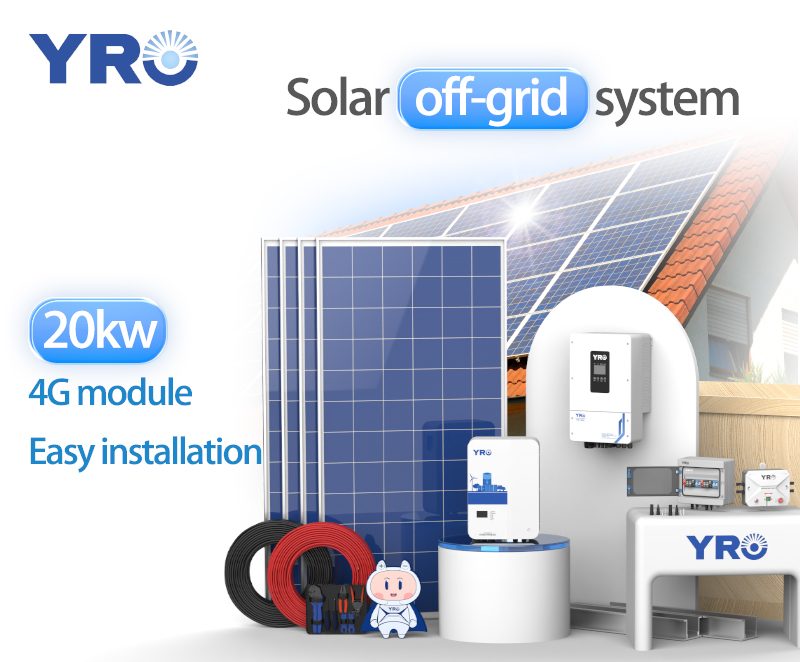
2、Off Grid Inverter:
Off grid inverters can convert the DC electricity from solar panels into AC electricity, allowing the system to operate independently from the grid.
– Advantages: Off grid inverters usually include a storage function, ensuring backup power during outages.
– Giá cả: Off grid inverters are typically more expensive than grid tie and hybrid inverters, because they require an additional battery storage system to function off grid. Inverter prices can range from $500 to $2,000, with battery systems significantly increasing the total cost. High quality lithium battery packs có thể có giá từ $1,000 đến $3,000 hoặc hơn.
– Recommended Environment: Thích hợp cho những khu vực không có truy cập vào lưới điện hoặc nơi lưới điện là không ổn định.
3、Biến tần hybrid:
Bộ biến tần hybrid kết hợp cả hai chức năng nối lưới và độc lập, cho phép chúng tự động chuyển đổi chế độ tùy thuộc vào tình trạng của lưới điện. Khi lưới điện ổn định, bộ biến tần hybrid kết nối hệ thống năng lượng mặt trời với lưới điện, nhưng trong trường hợp lưới điện bị hỏng hoặc mất điện, nó sẽ chuyển sang chế độ độc lập để cung cấp điện cho ngôi nhà hoặc doanh nghiệp.
– Advantages: Loại bộ biến tần này không chỉ cho phép nguồn điện dư thừa được đổ lại vào lưới điện, mà còn lưu trữ điện năng thừa trong pin để sử dụng trong thời gian mất điện.
– Giá cả: Bộ biến tần hybrid có giá từ $600 đến $2,000, nằm giữa bộ biến tần độc lập và bộ biến tần nối lưới. Tuy nhiên, khi tính đến chi phí của hệ thống lưu trữ pin, tổng chi phí có thể tăng lên đáng kể, thường đạt đến $2,000 đến $5,000 hoặc hơn.
– Recommended Environment: Thích hợp nhất cho những khu vực có mất điện thường xuyên xảy ra nhưng vẫn có truy cập vào lưới điện.
Ⅲ.MPPT Bộ biến tần năng lượng mặt trời là gì?
MPPT (Theo dõi điểm công suất cực đại) các bộ biến tần năng lượng mặt trời là một trong những loại bộ biến tần tiên tiến nhất hiện có trên thị trường. Năng lực độc đáo của chúng nằm ở khả năng của chúng để thực hiện thiết bị theo dõi thời gian điện áp và dòng điện đầu ra của các tấm pin mặt trời, điều chỉnh điểm vận hành của chúng để đảm bảo rằng các tấm pin luôn hoạt động ở điểm công suất tối ưu, từ đó nâng cao hiệu quả tổng thể của hệ thống phát điện.
Biến tần MPPT đặc biệt phù hợp cho các môi trường có biến động đáng kể về cường độ ánh sáng mặt trời, chẳng hạn như Pakistan, nơi có sự biến đổi khí hậu theo mùa rõ rệt. Ngay cả trong thời tiết mây mù hoặc khi góc chiếu của mặt trời thay đổi, các biến tần MPPT vẫn có thể tiếp tục tối ưu hóa đầu ra từ các tấm pin mặt trời, tối đa hóa sản xuất năng lượng.
Advantages:
– Tăng hiệu quả tổng thể của hệ thống năng lượng mặt trời, dẫn đến việc sản xuất thêm 20% đến 30% năng lượng.
– Hoạt động hiệu quả dưới các điều kiện ánh sáng khác nhau.
– Kéo dài tuổi thọ của các tấm pin mặt trời.
Nhược điểm:
Chi phí ban đầu cao hơn so với các biến tần tiêu chuẩn, làm cho chúng đắt hơn ngay từ đầu.
Ⅳ.Biến tần năng lượng mặt trời nào là tốt nhất ở Pakistan?
Khi lựa chọn một sản phẩm phù hợp solar inverter cho Pakistan, cần xem xét một số yếu tố, bao gồm các điều kiện khí hậu, sự ổn định của lưới điện, nhu cầu điện năng, và. chi phí kinh tế.
1、CÁC ĐIỀU KIỆN KHÍ HẬU:
Pakistan các điều kiện khí hậu có thể khắc nghiệt, với nhiệt độ cao trong mùa hè và các thảm họa tự nhiên như cơn bão bụi xảy ra ở một số khu vực. Do đó, điều quan trọng là phải ưu tiên các tính năng như độ bền cao chịu nhiệt, chống bụi, và. chống nước trong bộ biến tần năng lượng mặt trời. Đảm bảo rằng bộ biến tần có thể hoạt động đáng tin cậy trong các môi trường khắc nghiệt là rất quan trọng để duy trì hiệu suất.
2、SỰ ỔN ĐỊNH CỦA LƯỚI ĐIỆN:
The sự ổn định của lưới điện ở Pakistan tương đối kém, với các sự cố mất điện và biến động điện áp thường xuyên. Khi chọn một bộ biến tần năng lượng mặt trời, điều quan trọng là xem xét khả năng thích ứng với các điều kiện lưới không ổn định. Các bộ biến tần lai là sự lựa chọn tuyệt vời, vì chúng có thể tự động chuyển đổi chế độ hoạt động dựa trên trạng thái lưới, đảm bảo nguồn cung cấp điện ổn định ngay cả khi lưới điện không đáng tin cậy.
3、NHU CẦU ĐIỆN NĂNG:
Pakistan has a significant nhu cầu điện năng, especially during peak usage times in the summer. Therefore, when selecting a solar inverter, one should prioritize its power capacity và storage capabilities. It is vital to ensure that the inverter can meet the electricity needs of households or businesses, and provide power support during periods of low sunlight or high demand.
4、Economic Costs:
The price of solar inverters tends to be relatively high, so it is necessary to weigh the performance against the chi phí kinh tế. For consumers in Pakistan, inverters with a high cost-performance ratio are a better choice. It may be beneficial to look into products from well known brands, such as Huawei và SMA Solar Technology, which have a strong reputation and presence in the market while offering relatively reasonable pricing.
By taking these factors into account, consumers in Pakistan can make informed decisions when selecting the right solar inverter to meet their needs effectively.
Ⅴ.Summary
Taking into account various factors, the hybrid inverter emerges as the most flexible and cost effective choice, particularly for users who need to address power outages. If the budget is limited and the grid is relatively stable, a grid biến tần nối lưới là một lựa chọn kinh tế. Ngược lại, cho các khu vực nông thôn hoặc xa xôi, một off biến tần lưới là một giải pháp thiết yếu.