Germany has made remarkable progress in its energy transition. With the development of renewable energy, especially solar and wind energy, these clean energy sources have been able to meet more than half of the country’s electricity demand, demonstrating the possibility of reducing carbon emissions.
However, this remarkable achievement has exposed a series of new challenges surrounding the stability of the power grid and reliable power supply, especially during periods of adverse weather conditions or sudden surges in demand.
Germany’s Energy Transition
Germany’s “Energiewende” demonstrates an important practice of shifting from fossil fuels to renewable energy. The country is currently advancing towards the goal of having renewable energy account for 80% of its electricity mix by 2030. However, this rapid transition has revealed structural vulnerabilities in the power infrastructure, necessitating innovative solutions.
Weather Dependence
In the first four months of 2025, wind and solar power generation in Germany declined due to weather conditions, reaching the lowest level in nearly a decade. This situation has led to an increase in the consumption of natural gas and coal, with hydrocarbon consumption reaching its highest level in seven years. The instability of power generation makes the power supply mode unstable, bringing new challenges to the operation and management of the power grid.
Mismatch Between Power Generation and Demand
During periods of abundant wind and sufficient sunlight, wind turbines operate continuously and efficiently, and solar power generation is also in an ideal state. Data from the Fraunhofer Institute for Solar Energy Systems shows that renewable energy generation in Germany once reached 125% of the country’s electricity demand. This situation of excess power supply directly led to a drop in prices on the power exchange market—since electricity prices are determined by market supply and demand, there were even periods where electricity was supplied for free.
In 2024, the share of renewable energy in Germany’s public net electricity generation reached a record 62.7%. However, this proportion of clean energy exhibits significant seasonal fluctuations. During periods of insufficient sunlight in winter, renewable energy generation drops significantly. Taking December 12, 2024, as an example, renewable energy could only meet 18% of the electricity demand that day. The shortfall had to be compensated by coal-fired power plants, gas-fired power plants, and electricity imported from neighboring EU countries.
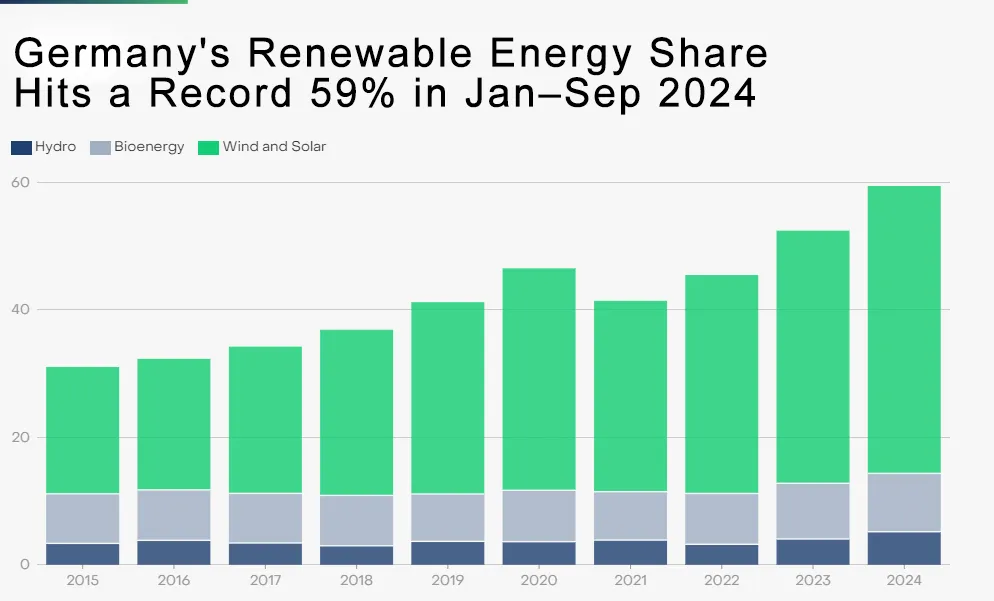 Joint research by the EWI and BET Institutes points out that Germany’s energy system is facing structural challenges of unstable power supply. When renewable energy generates excess power during low-demand periods, or suddenly decreases during high-demand periods, it can cause grid fluctuations.
Grid Expansion Challenges
The transition to renewable energy requires a significant upgrade of the power grid infrastructure to transport electricity from the windy northern regions to the industrial centers in the south. The delay in the expansion of the power grid has exacerbated congestion problems and restricted the effective distribution of renewable energy across the country.
Critical Facilities Require Uninterruptible Power Supply
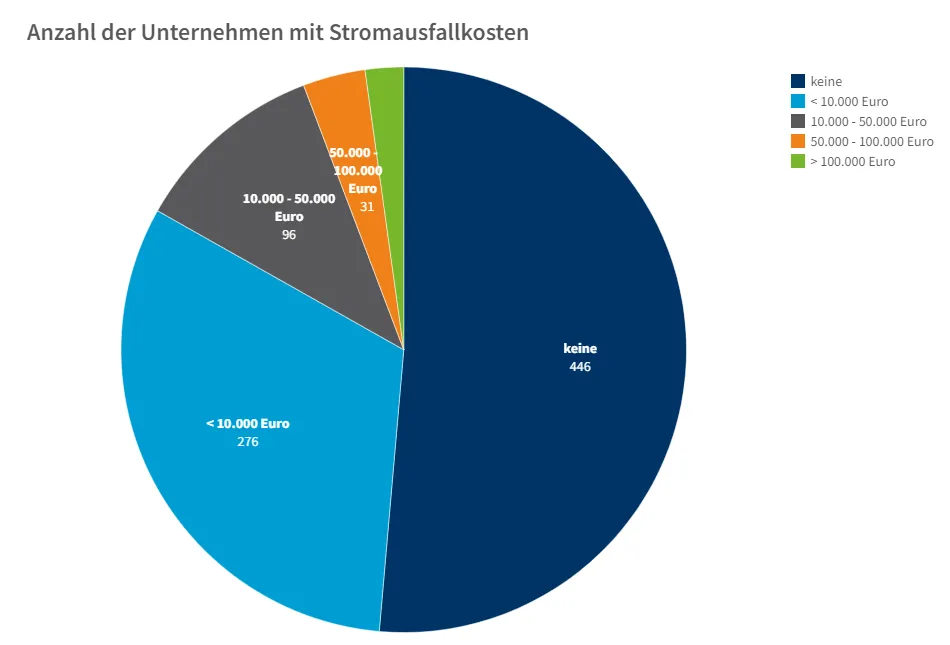
For hospitals, data centers, industrial processes, and emergency services, even brief power interruptions can lead to serious consequences. According to a DIHA report, nearly one-third of industrial enterprises are currently affected by power outage issues. Among these, records of outages lasting less than three minutes increased from 10% to 16% within three years. The additional costs caused by power outages can amount to €10,000 or even more for businesses. Therefore, these facilities urgently need solutions that can automatically and seamlessly switch to backup power during periods of grid instability.
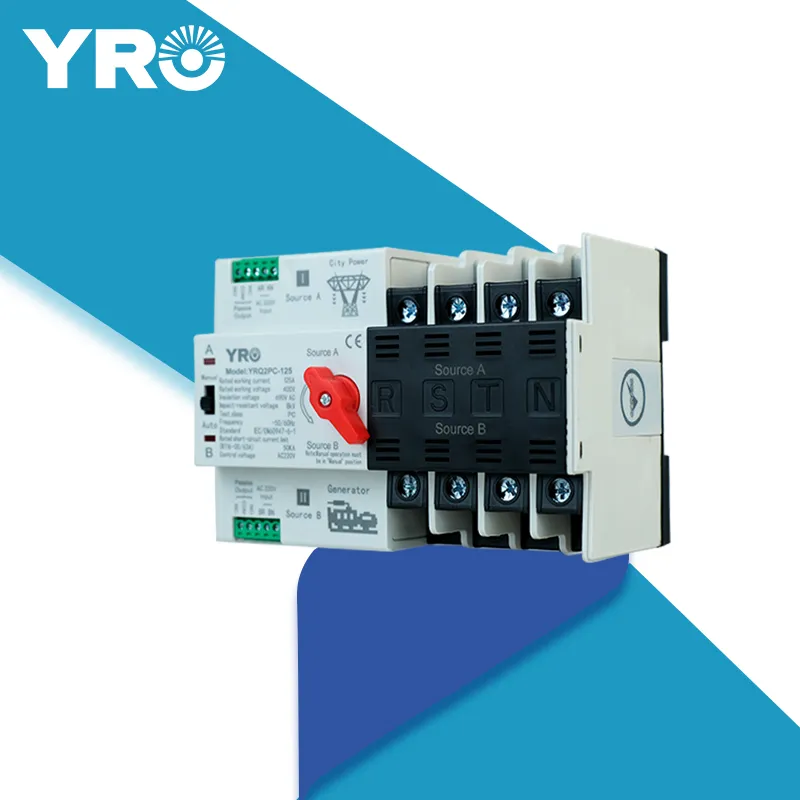
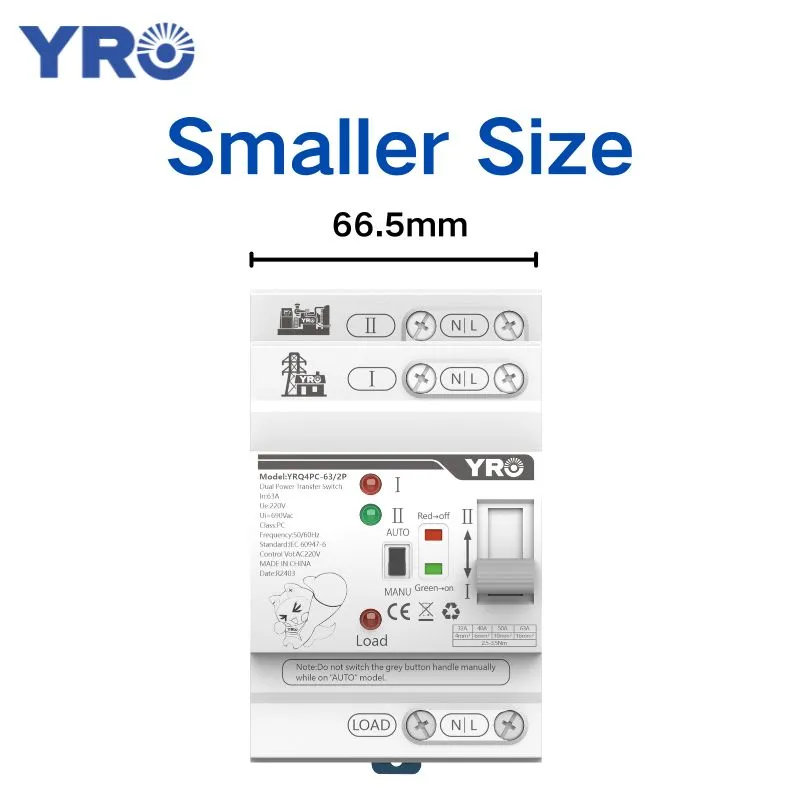
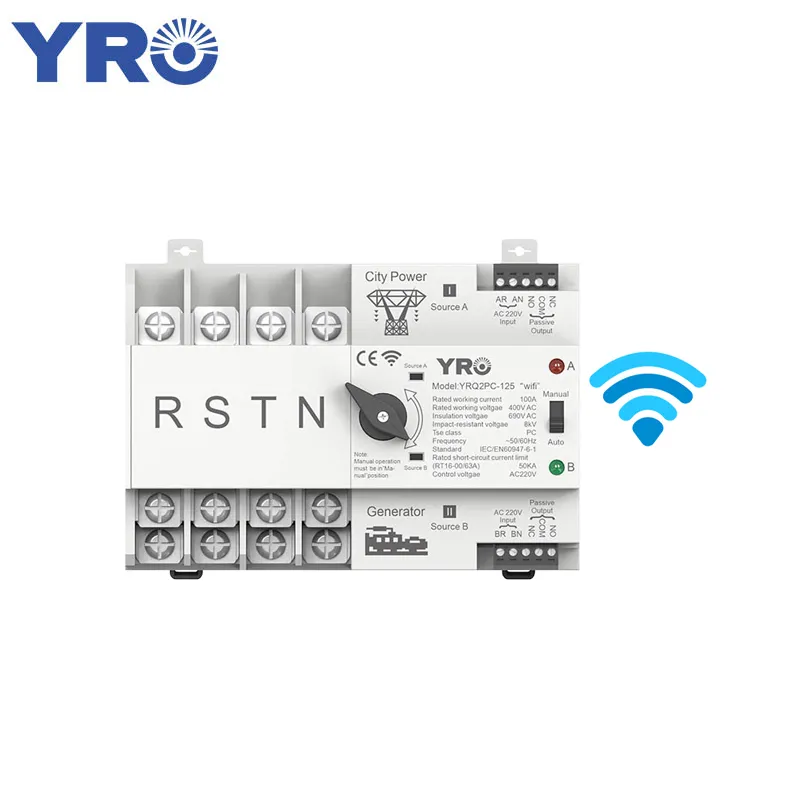
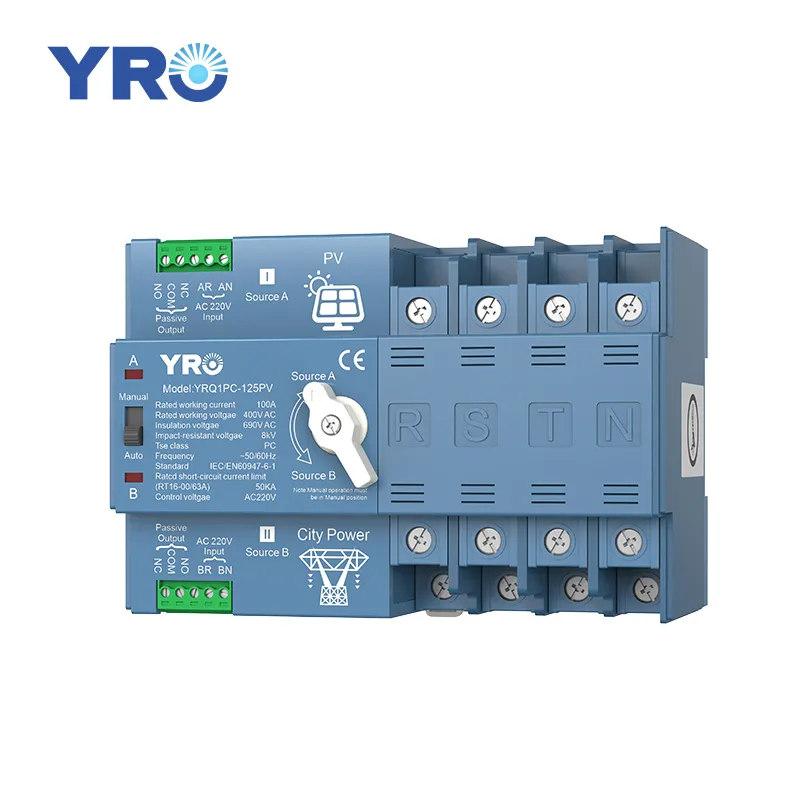
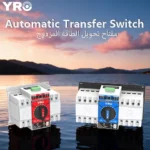
Chính vì điều này, Công tắc chuyển tự động (ATS) đã trở thành một sản phẩm then chốt trong chiến lược chống chịu năng lượng của Đức. ATS liên tục theo dõi dòng điện, và khi phát hiện bất thường, nó tự động chuyển tải điện từ nguồn điện chính (như lưới điện) sang nguồn điện dự phòng (như máy phát điện hoặc pin); khi nguồn cung cấp điện trở về trạng thái bình thường, nó tự động chuyển trở lại nguồn điện chính.
Hỗ trợ các mục tiêu năng lượng tái tạo
Các mục tiêu phát triển bền vững của Đức cần phải được cải tiến liên tục, và cũng quan trọng để đảm bảo độ tin cậy của nguồn cung cấp điện. YRO ATS có thể giúp các hộ gia đình, cơ sở thương mại và nhà máy công nghiệp sử dụng năng lượng tái tạo trong khi giảm thiểu tác động của sự dao động lưới điện.
Các công tắc chuyển tự động có thể được sử dụng kết hợp với các nhà máy điện mặt trời, hệ thống lưu trữ năng lượng hoặc máy phát điện dự phòng truyền thống để cung cấp hỗ trợ điện liên tục.
Kết luận
Sự gia tăng tỷ lệ năng lượng tái tạo ở Đức không chỉ cho thấy tiến bộ trong chuyển đổi năng lượng mà còn mang lại những thách thức mới cho việc vận hành lưới điện. Khi tỷ lệ năng lượng gió và năng lượng mặt trời trong cơ cấu năng lượng tăng lên, việc duy trì sự ổn định của lưới điện đòi hỏi cải tiến công nghệ trong nhiều khía cạnh.
Công tắc chuyển tự động YRO có thể giúp duy trì sự liên tục cung cấp điện và hỗ trợ cho các hộ gia đình và doanh nghiệp trong việc ứng phó với sự dao động điện. Dưới các mục tiêu chính sách khí hậu hiện tại và nhu cầu phát triển của lưới điện, việc lựa chọn công nghệ chuyển đổi đáng tin cậy có giá trị thực tiễn.