For many years, planned power outages in South Africa have become a harsh daily occurrence for both households and businesses. But what is the reason for the ongoing crisis behind this? In this article, we will explore the multiple causes of South Africa’s power predicament.
Key Factors Leading to Long-Term Power Shortage
To understand the challenges South Africa faces in power supply, we need to delve into the underlying issues. These are not just simple technical failures but systemic problems that have accumulated over time.
Aging Power Generation Facilities
Most of the existing power stations were built in the 1960s to 1990s, and their average service life has exceeded 30 to 50 years. These power stations were reliable in the past, but problems gradually emerged under long-term high-load operation and insufficient maintenance.
Frequent equipment failures, unplanned shutdowns and extended maintenance cycles have significantly weakened the available power generation capacity.
Although two power stations, Medupi and Kusile, were built in 2007, it was too late to prevent the power shortage crisis that had already emerged at that time.
Over-Reliance on Coal
According to official South African data, coal-fired power generation accounts for about 70% of the country’s electricity supply, making South Africa one of the world’s higher carbon-emitting energy economies.
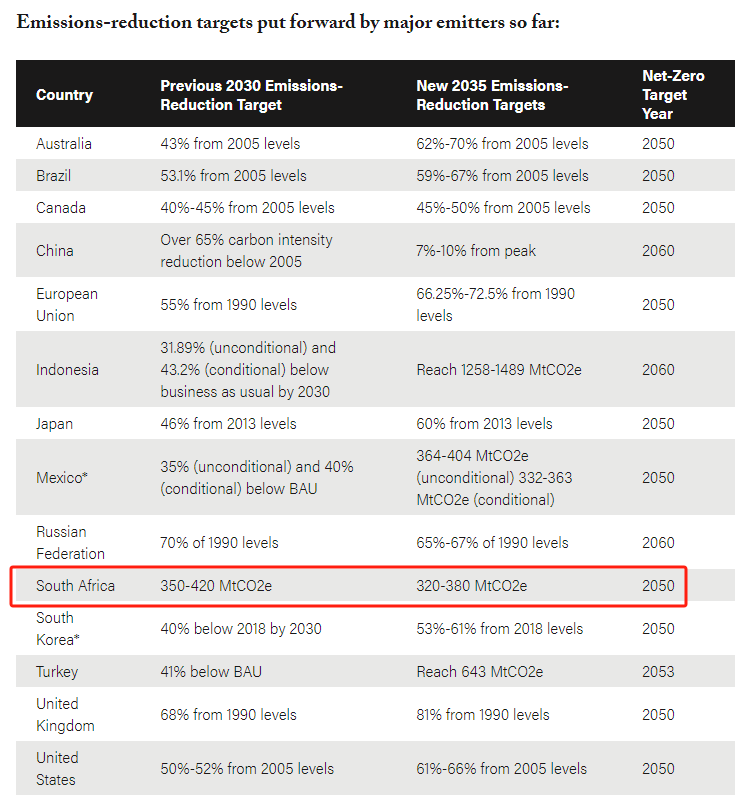
This heavy reliance on coal places South Africa under dual pressures: firstly, international demands to fulfill emission reduction commitments (a reduction of 350–420 million tons of CO₂e by 2030); and secondly, health issues caused by domestic environmental pollution.
 Although in January this year, solar and wind power accounted for 11.28% and 4.94%, respectively, of South Africa’s total electricity generation—combined exceeding 16%—the overall transition to renewable energy remains slow due to bureaucratic obstacles and funding gaps.
Rising Demand and Inadequate Planning
South Africa’s population and economy are constantly growing, but its power generation has failed to keep up. Peak demand often exceeds available supply, forcing Eskom to implement rotational power rationing. Similarly, the power grid is already overloaded, and without significant investment in new power plants or energy efficiency, the shortage will persist.
العوامل الاقتصادية
تسبب تباطؤ النمو الاقتصادي وانخفاض الإيرادات المالية في تقييد استثمار الحكومة في البنية التحتية للطاقة؛ في حين زاد معدل البطالة وعدم الاستقرار الاجتماعي الضغط على الطلب على الكهرباء.
كيف مفاتيح تحويل الطاقة الثنائية يمكن أن تساعد جنوب أفريقيا في تخفيف الأثر?
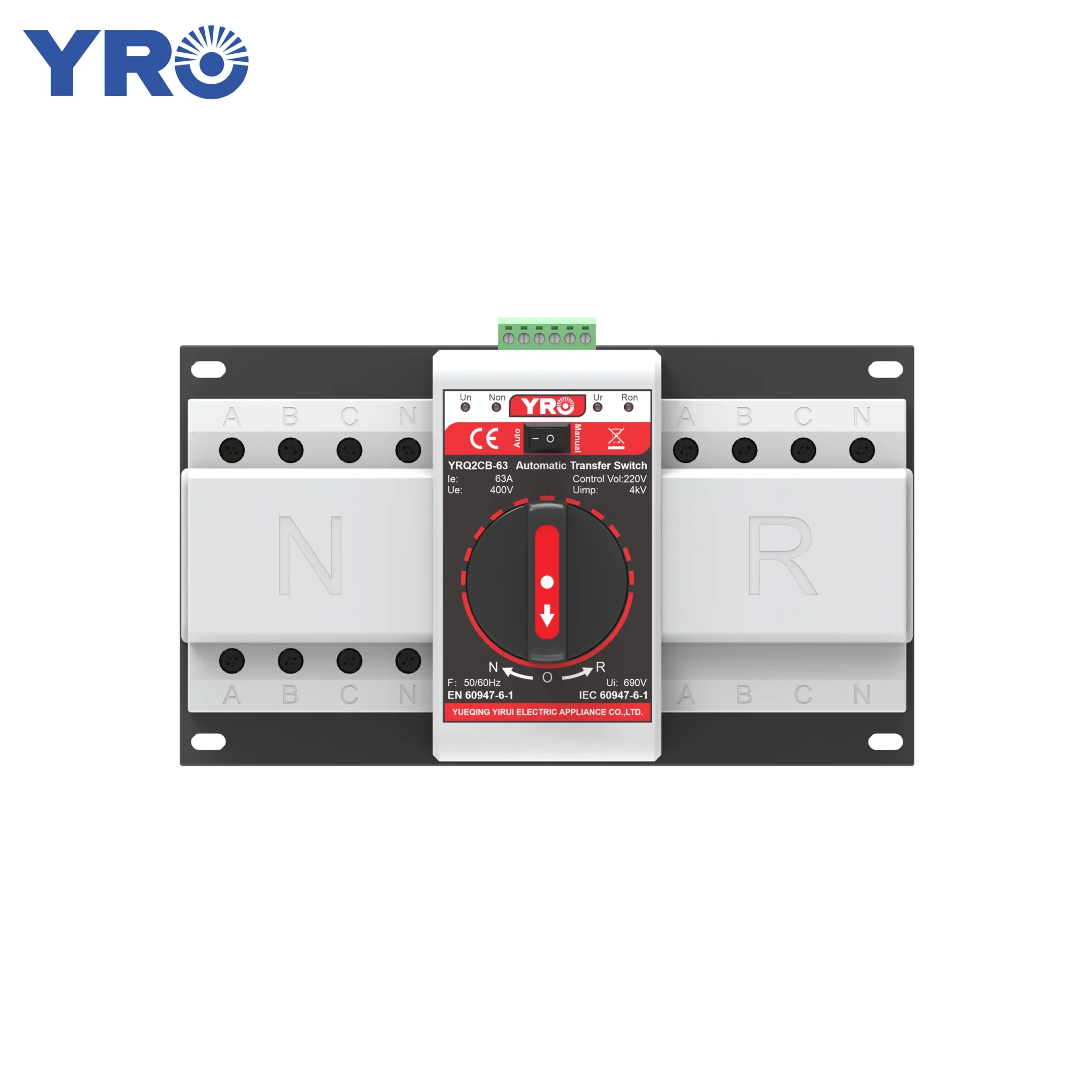
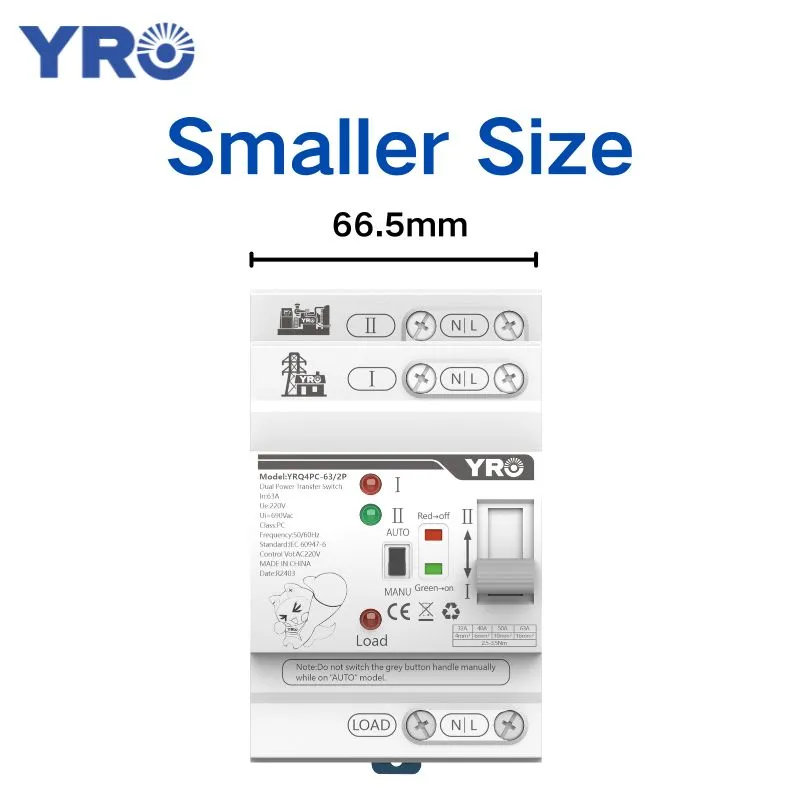
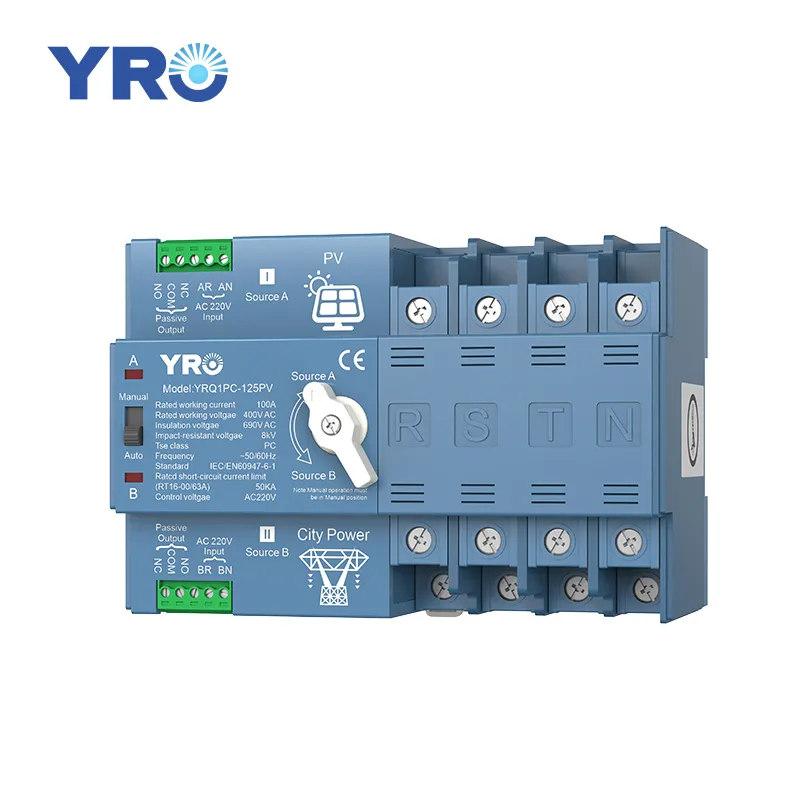
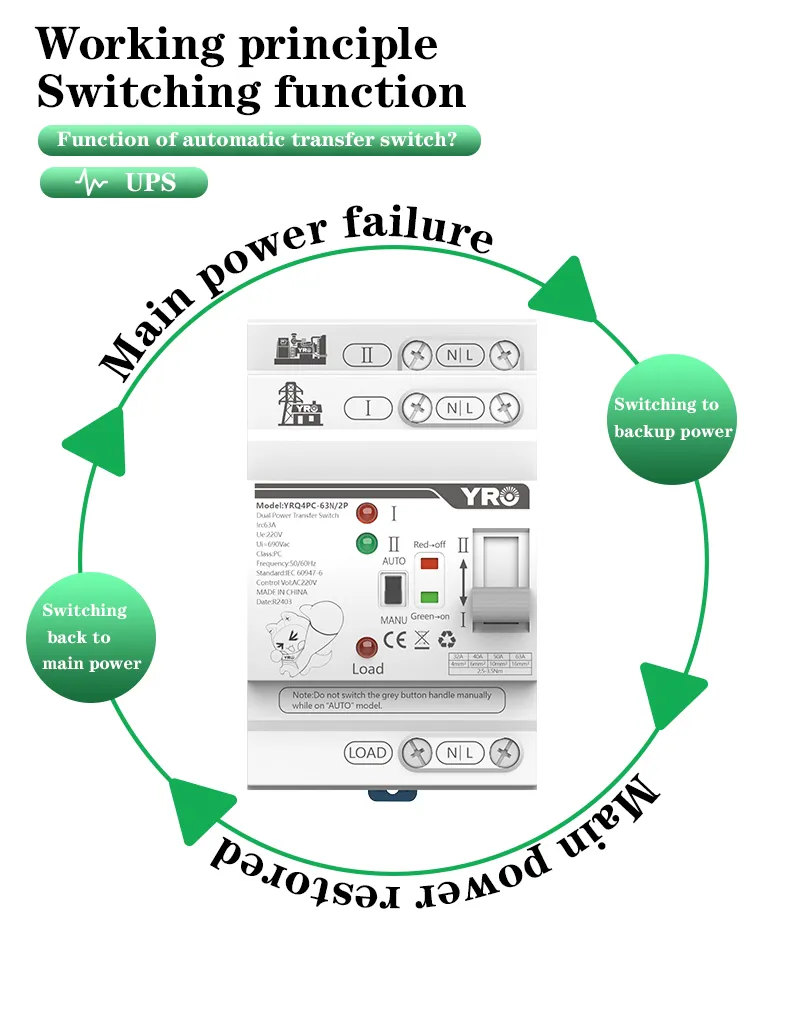
في بيئة حيث تكون انقطاعات الطاقة متكررة وغير متوقعة، تحتاج العديد من الصناعات إلى تحقيق تبديل سريع وموثوق بين الشبكة الكهربائية ومصادر الطاقة الاحتياطية. ATS and MTS تقدم هذه الوظيفة.
ATS هو مفتاح تحويل طاقة تلقائي مزدوج، مما يمكّن إمدادات الطاقة الرئيسية والاحتياطية من التبديل تلقائيًا. MTS هو مفتاح تحويل طاقة يدوي مزدوج. يعتمد التبديل بين إمدادات الطاقة الرئيسية والاحتياطية على التشغيل اليدوي.
نشأ هذان المنتجان من عدم استقرار إمدادات الطاقة في جنوب أفريقيا وتوجهها الواضح نحو الانتقال الطاقي. في المستقبل القريب، سيبقى عدم استقرار إمدادات الطاقة مشكلة حقيقية.
بدلاً من الانتظار حتى تصبح الشبكة الكهربائية “مستقرة تمامًا”، اختار المزيد والمزيد من الأسر والشركات اتخاذ المبادرة للتعامل معها - من خلال اعتماد خطط إدارة طاقة مناسبة، يقللون من خسائر انقطاع الطاقة، ويحافظون على المعدات ويضمنون العمليات اليومية.
 Conclusion
تسبب نقص إمدادات الطاقة في جنوب أفريقيا في مجموعة من العوامل، بما في ذلك قدم المرافق، الاعتماد طويل الأمد على الفحم وزيادة الطلب على الكهرباء باستمرار. هذه المشاكل يصعب حلها على المدى القصير، لكن فهم أسبابها هو الخطوة الأولى لحلها.
خلال هذه العملية، يمكن للمنتجات مثل مفاتيح إمدادات الطاقة غير المنقطعة أن تساعد في التخفيف من تأثير إمدادات الطاقة اليومية غير المستقرة وتوفير الدعم لانتقال سلس لإمدادات الطاقة. في مواجهة التحديات المستمرة للطاقة، يعد اعتماد تقنيات مبتكرة وطرق تشغيل مستدامة ذا أهمية كبيرة للحفاظ على إمدادات الطاقة.
إذا تأثرت أيضًا استخدامك للكهرباء بإمدادات الطاقة غير المستقرة، فقد تفكر في معرفة كيفية تقديم مفتاح تحويل الطاقة الاحتياطية الحماية لمعداتك الكهربائية. في بيئة استهلاك الطاقة الحالية، يعد الاستعداد مسبقًا خيارًا حكيمًا بدلاً من الانتظار سلبًا للتعامل مع نقص الطاقة.