In recent years, Pakistan has faced an increasingly severe energy crisis, with frequent power shortages and outages disrupting daily life and the country’s economic development. Due to the instability of the traditional power grid, more and more Pakistani households and businesses seek alternative energy sources, with solar power emerging as an ideal solution. With abundant solar resources and declining installation costs, solar energy has become a feasible option in Pakistan. However, choosing the right solar inverter is crucial for ensuring the efficient operation of the solar power system.
Ⅰ.Energy Status and Solar Development in Pakistan
1、Power Shortage Background
Pakistan’s primary sources of electricity generation are natural gas, coal, ، و oil, all of which are fossil fuels. However, Pakistan has limited fossil fuel reserves and heavily relies on imports, leading to high fuel costs for power generation. With the rapid growth in population and the acceleration of industrialization, the demand for electricity has surged, while the existing grid infrastructure cannot meet this demand. Frequent power outages severely disrupt industrial production and daily life, especially during the summer peak periods when electricity shortages become more pronounced.
2、The Potential of Solar Energy
Located in South Asia, Pakistan is endowed with abundant solar energy resources, especially in the Sindh and Balochistan provinces, where annual sunshine hours reach 2,500 to 3,000. This provides an excellent foundation for solar power generation. The abundant sunlight makes solar energy an ideal solution to mitigate power shortages. However, the choice of the core component in a solar power system—the inverter—directly impacts the system’s efficiency and long term economic benefits.
Ⅱ.What Is the Most Common Type of Inverter?
A عكس الطاقة الشمسية is a device that converts the DC (direct current) electricity generated by solar panels, into AC (alternating current), which is used by most household and business appliances. It is an indispensable component of any solar power system. Depending on their functions and applications, solar inverters can be divided into several types, including grid tie inverters, off grid inverters, ، و hybrid inverters.
1、Grid Tie Inverter:
Grid tie inverters are primarily used to connect solar power systems to the electric grid, allowing the generated solar power to feed into the grid.
– Advantages: In regions where utility companies allow, any excess electricity produced by the solar power system that exceeds the household or business demand, can be sold back to the grid, helping to reduce electricity bills.
– السعر: Grid tie inverters are generally more affordable since they do not require a battery storage system. The typical price range is between $300 and $1,000, depending on the inverter’s power capacity and brand. Due to the absence of batteries, the initial investment is lower.
– Recommended Environment: Ideal for areas with a stable grid connection.
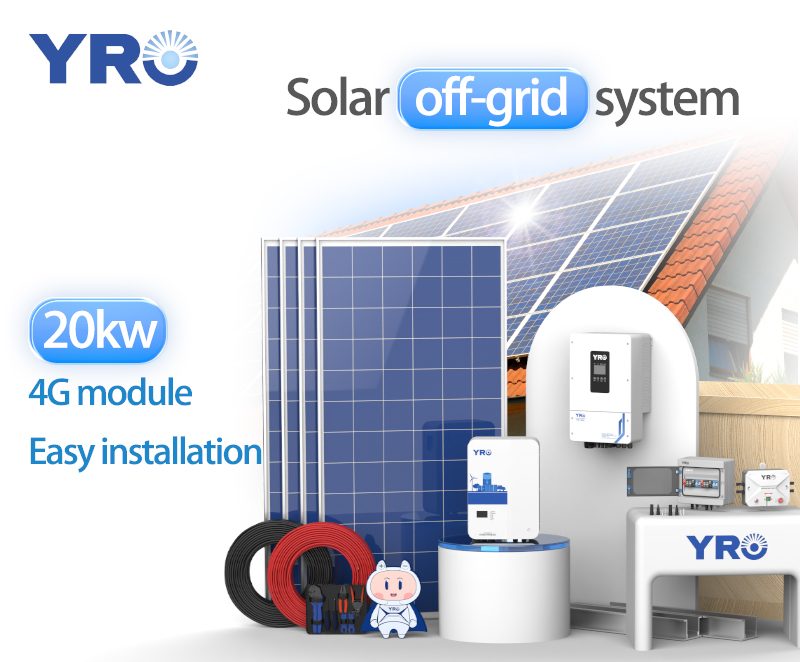
2、Off Grid Inverter:
Off grid inverters can convert the DC electricity from solar panels into AC electricity, allowing the system to operate independently from the grid.
– Advantages: Off grid inverters usually include a storage function, ensuring backup power during outages.
– السعر: Off grid inverters are typically more expensive than grid tie and hybrid inverters, because they require an additional battery storage system to function off grid. Inverter prices can range from $500 to $2,000, with battery systems significantly increasing the total cost. High quality lithium battery packs can cost anywhere from $1,000 to $3,000 or more.
– Recommended Environment: مناسب للمناطق التي لا تتوفر فيها الوصول إلى الشبكة أو حيث تكون الشبكة غير موثوقة.
3،العواكس الهجينة:
تدمج العاكسات الهجينة بين وظائف الربط بالشبكة ووظائف النظام المنفصل، مما يسمح لها بالتبديل بين الأوضاع تلقائيًا اعتمادًا على حالة الشبكة. عندما تكون الشبكة مستقرة، يتصل العاكس الهجين بنظام الطاقة الشمسية بالشبكة، ولكن في حالة انقطاع الشبكة أو فشلها، يتحول إلى وضع النظام المنفصل لتوفير الطاقة للمنزل أو العمل.
– Advantages: هذا النوع من العاكسات لا يسمح فقط بإرجاع الطاقة الزائدة إلى الشبكة، بل يخزن أيضًا الكهرباء الفائضة في البطاريات للاستخدام خلال انقطاع الطاقة.
– السعر: تتراوح أسعار العاكسات الهجينة بين $600 و $2,000, حيث تقع بين العاكسات المنفصلة والعاكسات الموصوله بالشبكة. ومع ذلك، عند أخذ تكلفة نظام تخزين البطاريات في الاعتبار، يمكن أن ترتفع التكلفة الإجمالية بشكل كبير، وغالبًا ما تصل إلى $2,000 إلى $5,000 or more.
– Recommended Environment: الأنسب للمناطق التي تحدث فيها انقطاعات متكررة ولكن لا يزال هناك وصول إلى الشبكة.
Ⅲ.ما هو العاكس الشمسي MPPT؟
MPPT (تتبع نقطة القوة القصوى) تعتبر العاكسات الشمسية من بين أكثر أنواع العاكسات تقدمًا المتاحة حاليًا في السوق. تكمن ميزتها الفريدة في قدرتها على real مراقبة الوقت لجهد ومقدار تيار الألواح الشمسية، حيث تعدل نقطة التشغيل الخاصة بها لضمان أن الألواح دائمًا تعمل عند نقطة القوة المثلى, مما يعزز الكفاءة العامة لتوليد الطاقة في النظام.
تعتبر العواكس MPPT مناسبة بشكل خاص للبيئات التي تشهد تقلبات كبيرة في شدة ضوء الشمس، مثل باكستان، التي تعاني من تغيرات مناخية موسمية واضحة. حتى في الأحوال الجوية الملبدة بالغيوم أو عندما يتغير زاوية الشمس تستطيع العواكس MPPT مواصلة تحسين الإنتاج من الألواح الشمسية، مما يزيد من إنتاج الطاقة.
Advantages:
– تزيد من الكفاءة العامة لنظام الطاقة الشمسية، مما يؤدي إلى إضافية 20% إلى 30% في توليد الطاقة.
– تعمل بكفاءة تحت ظروف إضاءة متنوعة.
– تطيل من عمر الألواح الشمسية.
العيوب:
تكاليف أولية أعلى مقارنة بالعواكس القياسية، مما يجعلها أكثر تكلفة في البداية.
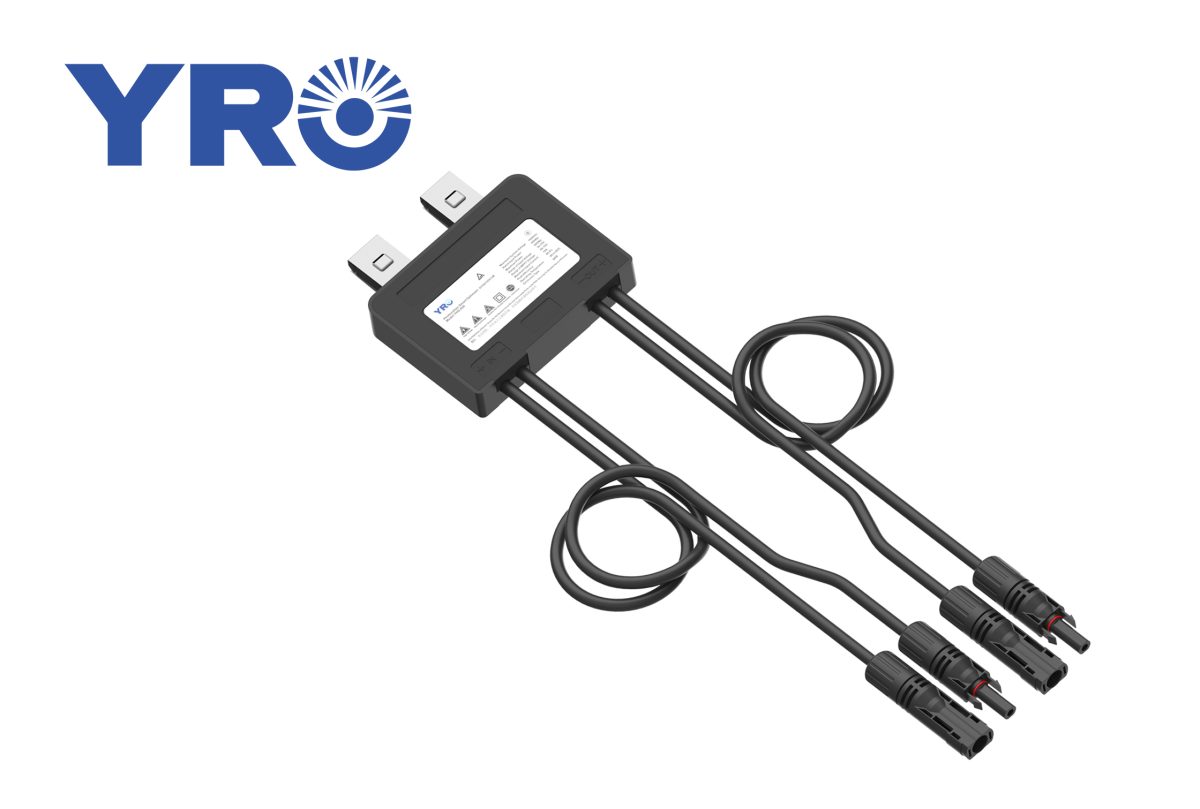
Ⅳ.Which Solar Inverter Is Best in Pakistan?
عند اختيار عكس الطاقة الشمسية لباكستان، يجب مراعاة عدة عوامل، بما في ذلك الظروف المناخية, استقرار الشبكة, الطلب على الطاقة, ، و economic costs.
1、Climatic Conditions:
Pakistan’s الظروف المناخية can be harsh, with high temperatures during the summer and natural disasters such as dust storms occurring in certain regions. Therefore, it is essential to prioritize features such as high temperature resistance, dustproof, ، و waterproof capabilities in the solar inverter. Ensuring that the inverter can operate reliably in adverse environments is crucial for maintaining performance.
2、Grid Stability:
The استقرار الشبكة in Pakistan is relatively poor, with frequent outages and voltage fluctuations. When choosing a solar inverter, it is important to consider its ability to adapt to these unstable grid conditions. تلعب العواكس الهجينة are an excellent choice, as they can automatically switch operating modes based on the grid status, ensuring a stable power supply even when the grid is unreliable.
3、Power Demand:
Pakistan has a significant الطلب على الطاقة, especially during peak usage times in the summer. Therefore, when selecting a solar inverter, one should prioritize its power capacity and storage capabilities. من الضروري التأكد من أن العاكس يمكنه تلبية احتياجات الكهرباء للأسر أو الأعمال التجارية، وتوفير دعم الطاقة أثناء فترات انخفاض ضوء الشمس أو ارتفاع الطلب.
4، التكاليف الاقتصادية:
سعر العواكس الشمسية يميل إلى أن يكون مرتفعًا نسبيًا، لذا من الضروري موازنة الأداء مقابل الـ. economic costs. بالنسبة للمستهلكين في باكستان، تعتبر العواكس التي تتمتع بــ نسبة التكلفة إلى الأداء اختيارًا أفضل. قد يكون من المفيد النظر في المنتجات من العلامات التجارية المعروفة، مثل هواوي and تكنولوجيا الطاقة الشمسية SMA, التي تتمتع بسمعة قوية وحضور في السوق مع توفير أسعار معقولة نسبيًا.
من خلال أخذ هذه العوامل في الاعتبار، يمكن للمستهلكين في باكستان اتخاذ قرارات مستنيرة عند اختيار العاكس الشمسي المناسب لتلبية احتياجاتهم بفعالية.
Ⅴ.ملخص
مع أخذ عدة عوامل في الاعتبار، يظهر عاكس هجيني كأفضل خيار مرن وفعال من حيث التكلفة، خصوصًا للمستخدمين الذين يحتاجون إلى معالجة انقطاع التيار الكهربائي.. إذا كان الميزانية محدودة وكان الشبكة مستقرة نسبيًا، فإن العاكس grid المربوط يعتبر خيارًا اقتصاديًا. بالعكس، بالنسبة للمناطق الريفية أو النائية، فإن off العاكس الشبكي يعتبر حلًا أساسيًا.