In today’s era of pursuing clean energy, solar photovoltaic power generation, as a sustainable and pollution free way of energy utilization, is rapidly spreading worldwide. And the photovoltaic combiner box, as a key supporting device in the photovoltaic power generation system, can combine multiple photovoltaic components together, reduce the number of lines entering the inverter, simplify the system structure and provide various protection functions. Understanding the cost structure of the combiner box not only helps consumers optimize costs and improve competitiveness but also enables them to have a clearer economic consideration in project planning and operation and maintenance.
1. Box Body Cost
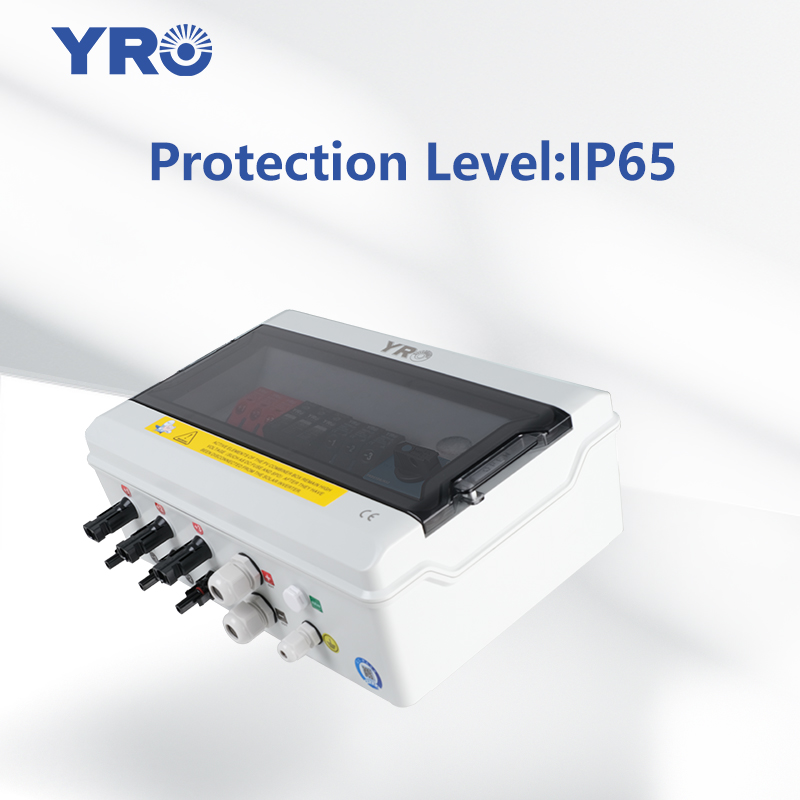
The box body of the photovoltaic combiner box is the first line of defense for its physical protection, requiring characteristics such as sturdiness, durability, waterproofing, dustproofing, and UV resistance to adapt to the complex and variable outdoor environment. Generally speaking, the box body is mostly made of high quality metal and plastic. Stainless steel is highly favored for its excellent corrosion resistance, with 304 stainless steel and iron being common choices. For a standard sized combiner box body, if made with 304 stainless steel, the material weight is about 10-15 kilograms, and the material cost alone ranges from 43-600 USD. If a larger size is needed, the price will increase accordingly. The cost of an iron box body is lower than that of stainless steel, generally between 24-580 USD. There are also large sized box bodies; YRO has received orders where just the box alone cost up to 2000 USD each. The cheapest box body is made of plastic, with YRO plastic box bodies ranging in price from 0.74-24.14 USD. Although inexpensive, they have CE certification, a waterproof rating of IP65, and UV protection. In addition, the box body shell also needs to be equipped with sealing strips, door locks, and other accessories.
 2. Electrical Component Cost
 2. Electrical Component Cost
This is the core component of the PV صندوق الدمج cost, directly related to the electrical performance and functional realization of the equipment. Firstly, the fuse, it is a key component to ensure circuit safety, able to quickly cut off the current when the circuit experiences overload or short circuit, preventing equipment damage. The price of mainstream fuses on the market varies due to different rated currents and brands. A fuse with a rated current of 32A, YRO’s highest offer is 0.96 USD. A combiner box usually needs to be equipped with multiple fuses, calculated at 2-6 pieces, so this part of the cost is between 1.92-5.76 USD.
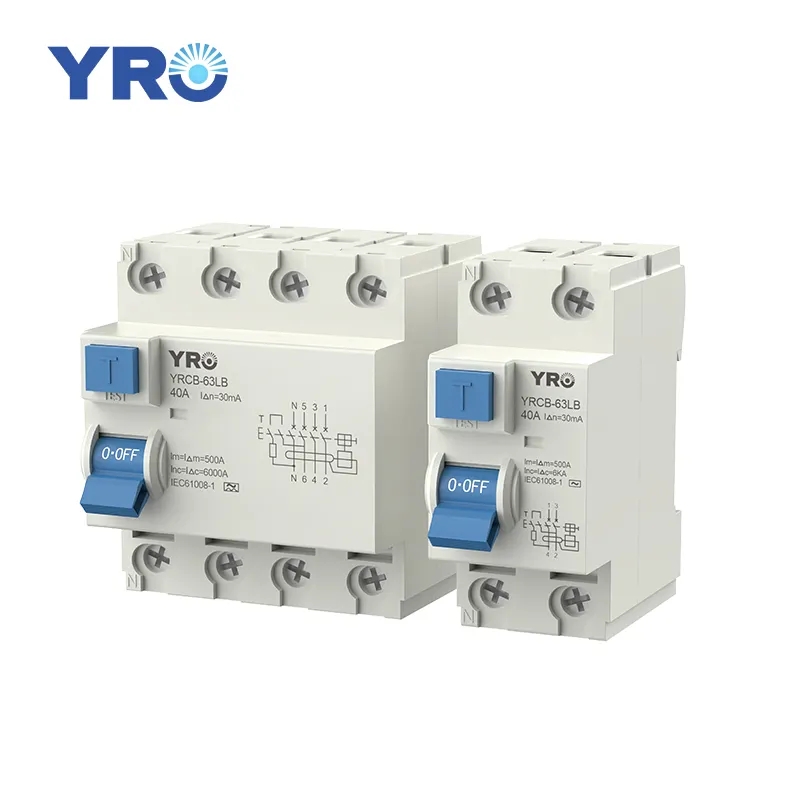
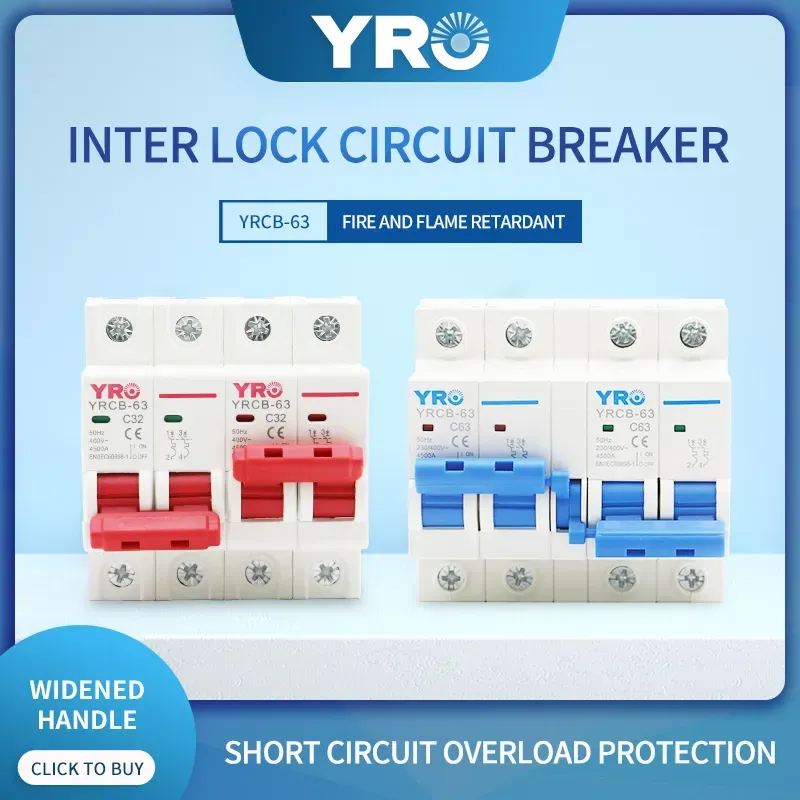
The قاطع الدائرة is also indispensable, as it can manually cut off the circuit and also has overload and short circuit protection functions, facilitating daily maintenance and emergency handling. Reliable miniature circuit breakers range in price from 2.75-11 USD, and a combiner box typically equipped with 1-2 of them, resulting in a cost of 2.75-22 USD.
In addition, the combiner box also contains a surge protector, used to protect the equipment from lightning overvoltage. High quality lightning protection modules are more expensive, with YRO surge protectors ranging from 2.58-20.88 USD. Generally, a combiner box needs to be equipped with 1-4 of these, resulting in a cost of 2.58-83.52 USD. These internal electrical components work together to form a complex and precise electrical system, whose total cost often accounts for about 50%-60% of the total cost of the photovoltaic combiner box, making it a key area for cost control.
3. Cost of Cables and Connecting Components
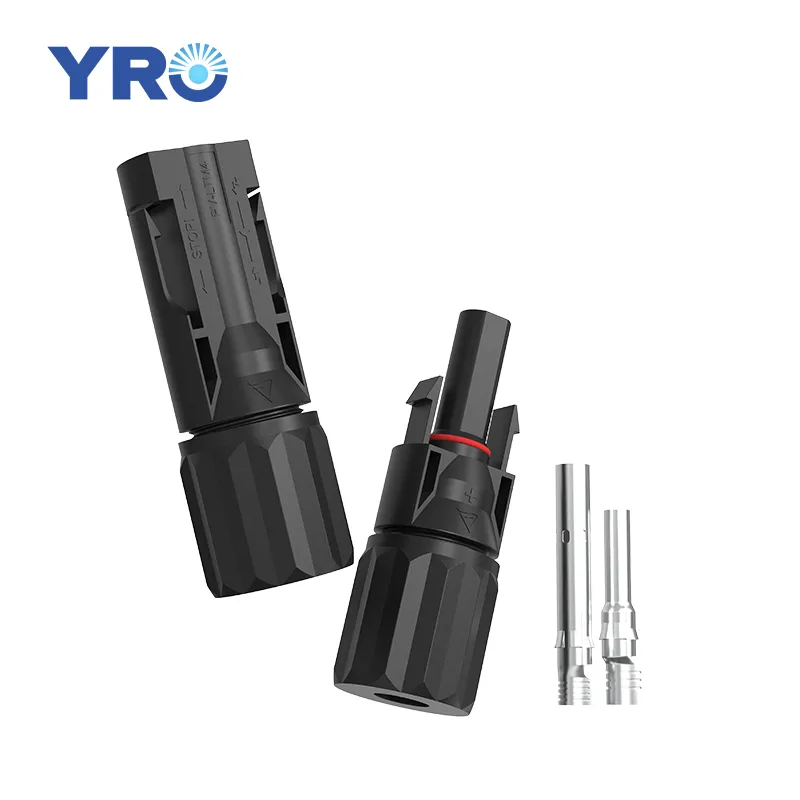
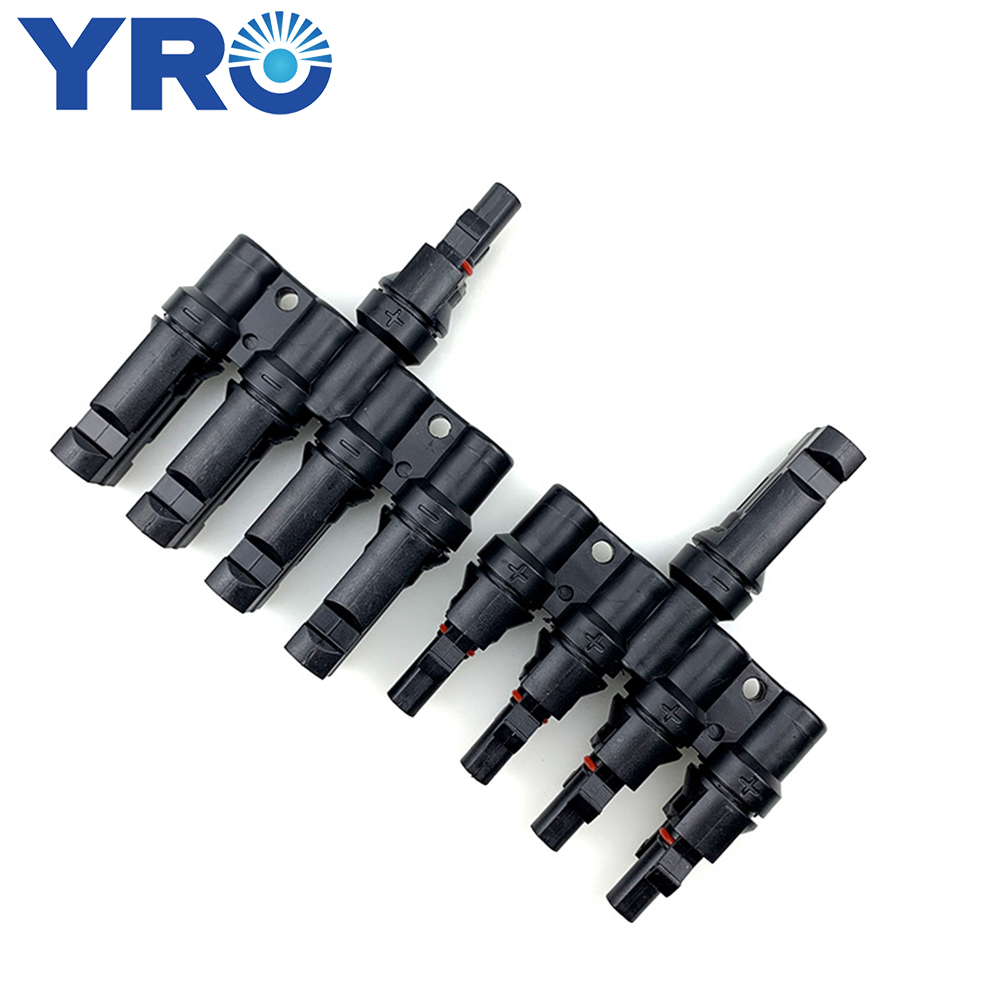
Cables are used to connect various electrical components within the combiner box as well as the صندوق الدمج with external equipment. The cost of cables varies according to their specifications (such as cross sectional area), length and material. A 2.5 square millimeter, 100 meter photovoltaic cable is generally $0.38, while cables with large specifications and special performance requirements (such as weather resistance, flame retardancy) are more expensive. Connecting components such as terminal blocks, plugs, etc. also have certain costs.
4. Transportation and After sales Costs
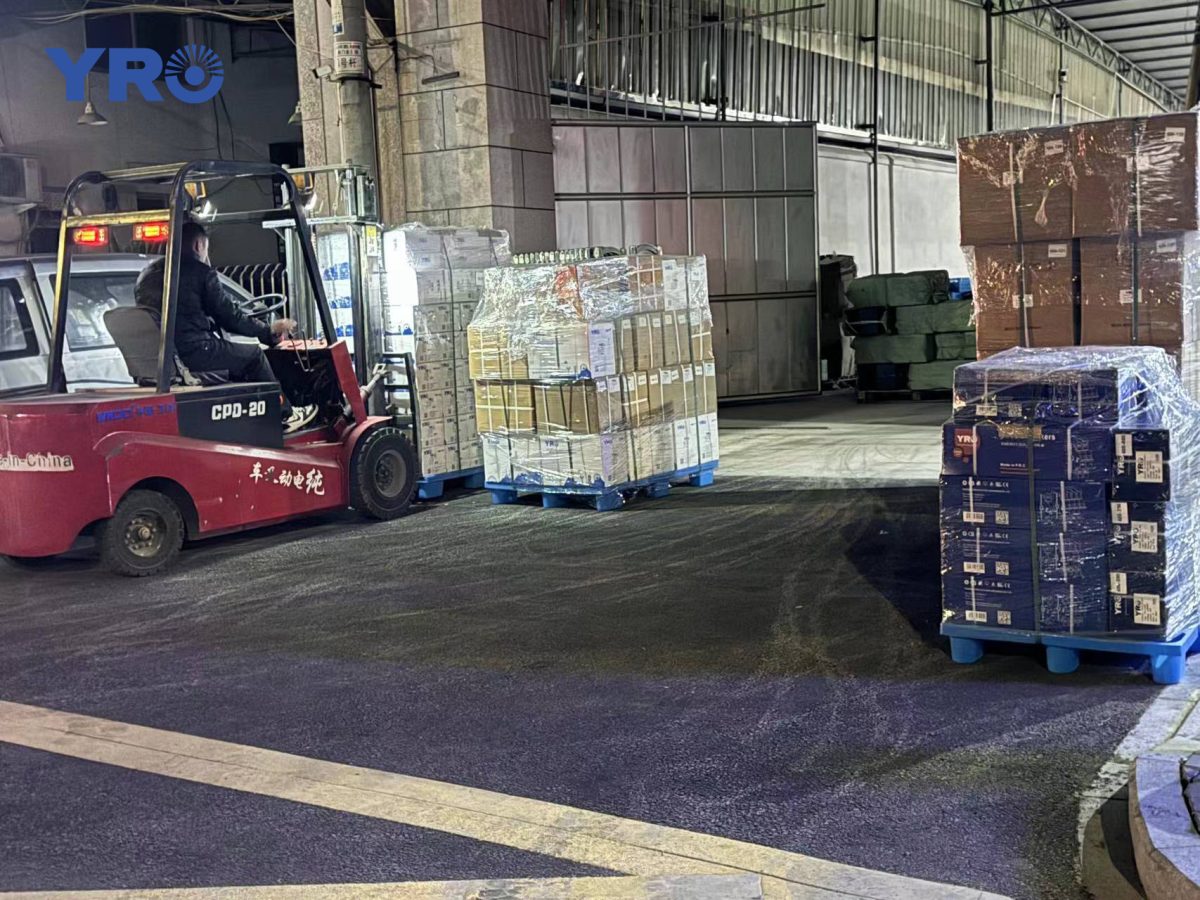
As a relatively heavy industrial product, the transportation cost of the طاقة شمسية صندوق الدمج مرتفع نسبيًا. بشكل عام، يتراوح بين 30−60، ولكن هناك أيضًا حالات يكون فيها النقل مرتفعًا نسبيًا، وتكلفة النقل وحدها $600. إذا تم شراء عدد كبير من المنتجات، سيقوم التجار عمومًا بالتنازل عن تكلفة النقل أو تخفيضها. تشمل تكاليف ما بعد البيع الصيانة، واستبدال الأجزاء، وخدمات الدعم الفني خلال فترة الضمان. وفقًا لإحصائيات الصناعة، خلال فترة الضمان، تبلغ متوسط تكلفة الصيانة بعد البيع لكل صندوق تجميع حوالي 3% – 5% من سعره البيعي.
 في تخطيط وميزانية مشاريع الطاقة الشمسية، يعد فهم تركيبة تكلفة صندوق التجميع بدقة مفيدًا للتحكم بشكل معقول في تكلفة المشروع وتحسين الفوائد الاقتصادية والمنافسة للمشروع.