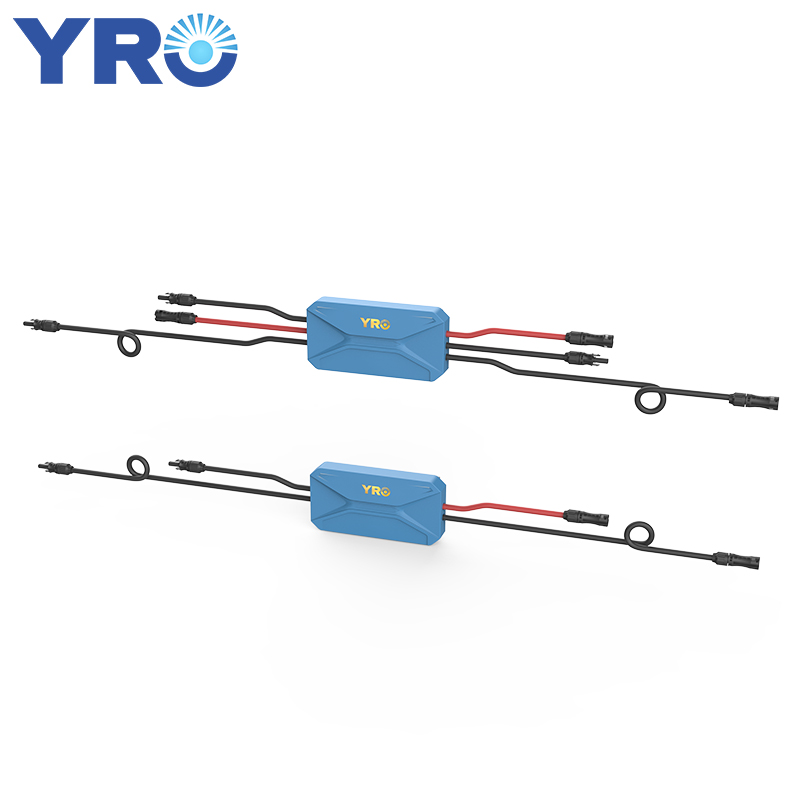
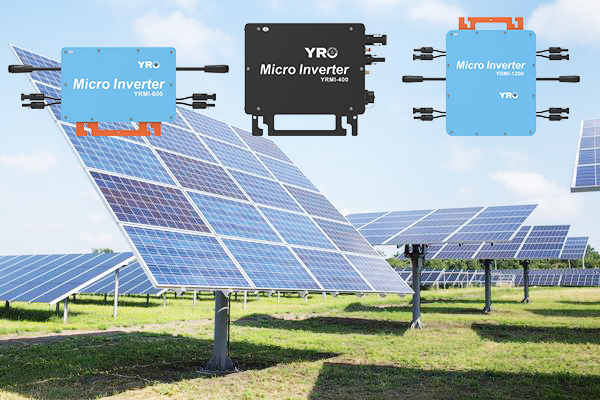
Micro inverters are small inverters attached to individual solar panels in a PV system. Unlike traditional string inverters that convert the direct current (DC) produced by a series (or string) of panels into alternating current (AC), micro inverters perform this conversion at each panel. Each micro inverter operates independently, converting the DC output of a single solar panel to AC power.
يتم تثبيت العاكس الميكروي في الجزء الخلفي من أو بجانب لوحة شمسية. عندما تسقط أشعة الشمس على اللوحة الشمسية، فإنها تولد كهرباء تيار مستمر. يتم تحويل هذه الكهرباء مباشرة إلى طاقة تيار متردد بواسطة العاكس الميكروي. يتم توصيل الطاقة المترددة بعد ذلك مباشرة إلى النظام الكهربائي للمنزل أو إلى الشبكة. يعمل كل عاكس ميكروي بشكل مستقل، مما يجعله وحدة معيارية في مجموعة شمسية أكبر.
التطبيقات
تعتبر العاكسات الميكروية مثالية لتركيبات الطاقة الشمسية السكنية، لا سيما في المناطق التي تعاني من مشاكل الظل أو الأسطح ذات الاتجاهات المتعددة. كما أنها مفيدة في التركيبات التجارية الصغيرة حيث تكون مرونة تصميم النظام والسلامة والمراقبة على مستوى الألواح هي أولويات.
لقد جلب إدخال العاكسات الميكروية إلى صناعة الطاقة الشمسية تحولاً جذريًا في كيفية استخراج الطاقة الشمسية وإدارتها. من خلال تعزيز الكفاءة والسلامة والمرونة، مع تحسين قدرات المراقبة والصيانة، تمثل العاكسات الميكروية خطوة تكنولوجية كبيرة إلى الأمام. مع انتقال العالم نحو حلول طاقة أكثر استدامة، تبرز العاكسات الميكروية كعنصر رئيسي في تحقيق أقصى استفادة من الطاقة الشمسية.
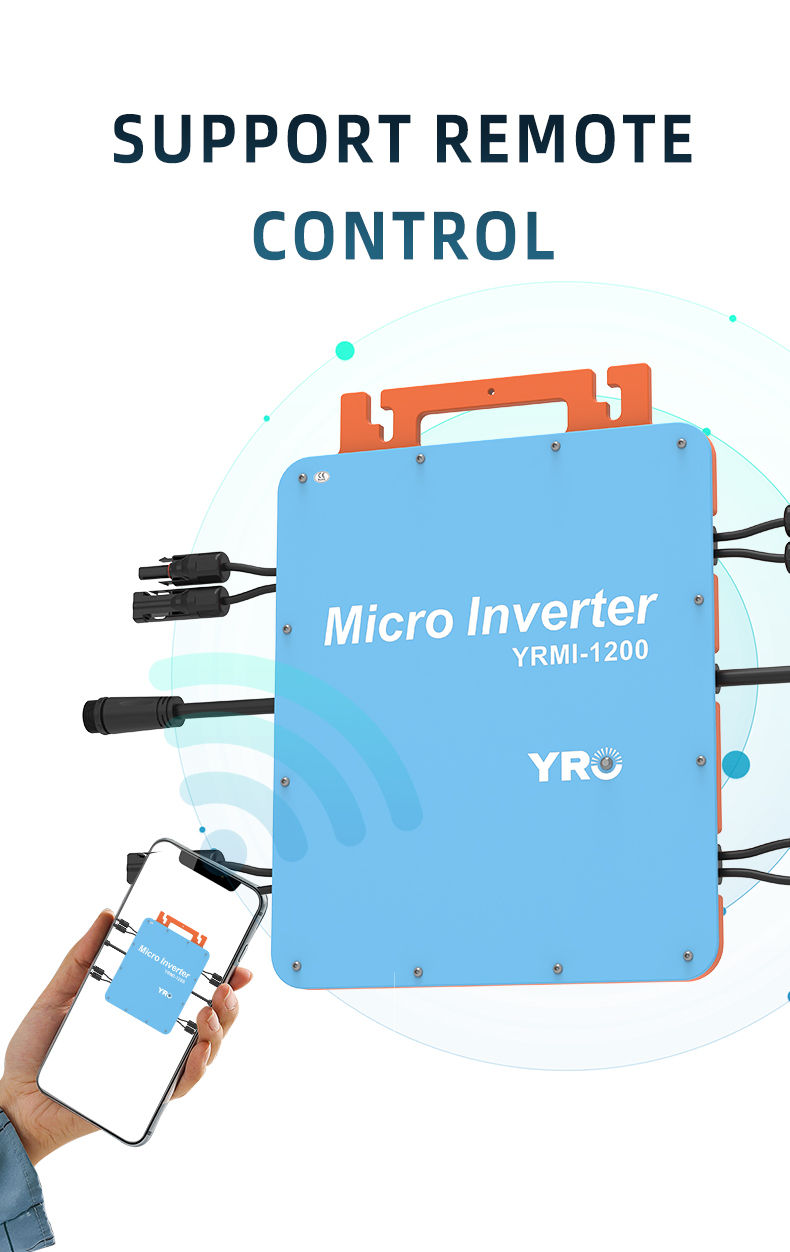
Microinverter mobile control is an advanced technology that allows solar system users to monitor and control their solar systems through their smartphones or mobile devices. This functionality brings many important benefits and conveniences:
Real-time monitoring: Users can monitor the performance of their solar systems anytime and anywhere using their mobile phones. They can view the power generated by each solar panel and see if the system is functioning properly.
Fault Detection: Microinverter mobile apps often provide alerts and notifications to keep users informed of any system faults or issues. This helps to take quick action to resolve problems and ensure system reliability.
Remote control: Users can enable or disable the solar system using a mobile control app, which is useful in certain situations such as when power generation needs to be temporarily stopped or the system disconnected in an emergency.
Performance Optimization: By monitoring solar system performance data, users can identify potential performance issues and take steps to optimize them. This helps maximize solar energy resources and reduce energy costs.
User education: Mobile apps often provide information about solar system operation and performance, helping users better understand their systems and take appropriate steps to improve efficiency.
In summary, microinverter mobile control provides solar system users with more control and visibility, allowing them to better manage and optimize their systems. This technology helps improve solar reliability, efficiency and user experience.
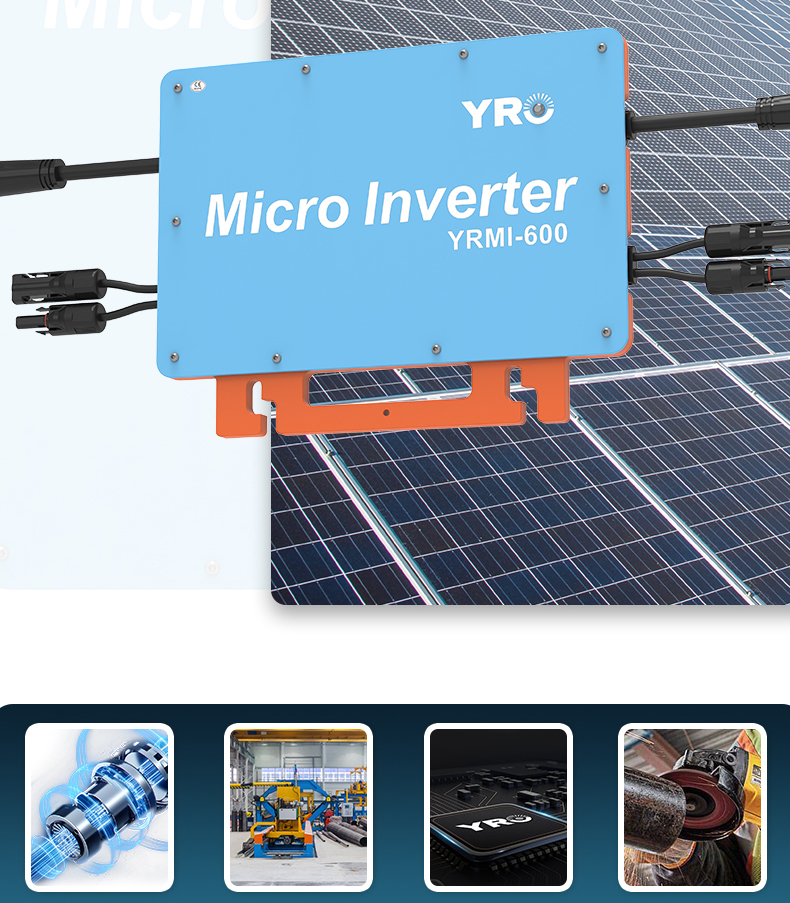
In the ever-evolving landscape of renewable energy, micro inverters have emerged as a transformative technology that promises to reshape the way we harness and manage solar power. These compact devices, which operate at the heart of solar photovoltaic (PV) systems, are revolutionizing the efficiency, safety, and versatility of solar installations. This article explores the world of micro inverters, shedding light on their functionality, advantages, and the innovative ways they are powering a greener future.
In an era marked by a growing emphasis on sustainability and renewable energy, the solar power industry has seen remarkable advancements. Among these, micro inverters have emerged as a key innovation, poised to redefine the way we harness energy from the sun. These small yet powerful devices play a crucial role in solar photovoltaic (PV) systems, offering a range of benefits that go beyond traditional inverters.