During actual installation and daily use, users who purchase an automatic transfer switch may encounter various problems. These problems are not necessarily caused by the quality of the product itself; rather, they are often related to wiring methods, voltage conditions, and operating habits.
This article will summarize the most common problems encountered by users after purchasing an ATS and provide corresponding solutions. If necessary, this guide can help you reduce unnecessary downtime and improve the stability of the system’s operation.
1、Low Voltage
Some customers report that their ATS fails to transfer automatically. After investigation, it was found that the power supply voltage was unstable, frequently dropping below 170V. The customers purchased a transfer switch rated for 220V. If the power supply voltage is too low, the ATS will delay or refuse to transfer automatically.
Solutions
- Install a voltage stabilizer upstream of the ATS.
- Use an over/under voltage protector for protection.
- If the backup power source is a generator, verify that the generator’s output voltage is stable.
If the system voltage frequently drops below 170V, prioritize resolving the power supply quality issue.
2、Incorrect Mode
After the automatic power transfer switch is powered on, the customer manually switches the power supply, and then the equipment starts to smoke.
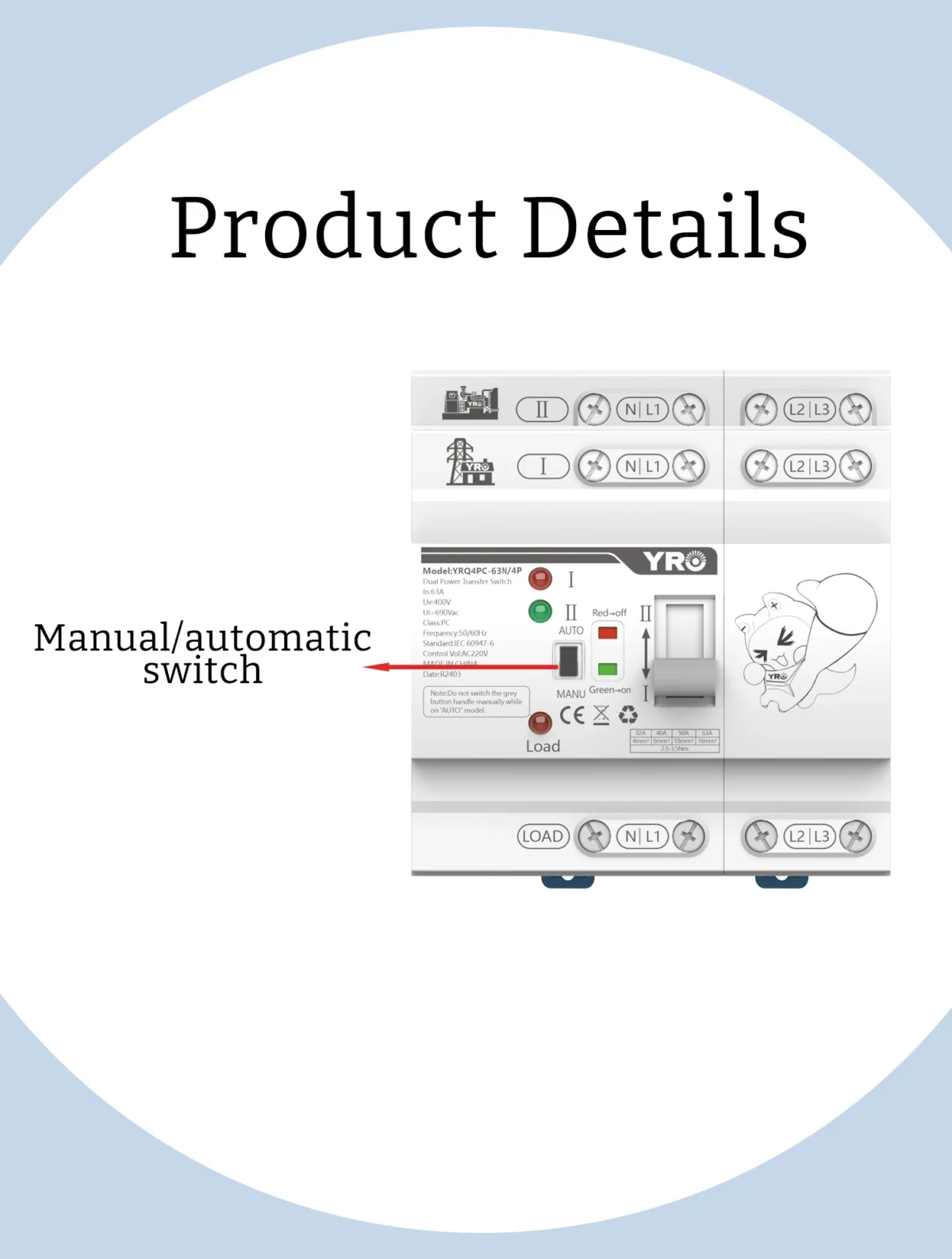
In the automatic mode, the control system of the power transfer switch will automatically judge the power status and control the switch. Forcefully manual switching will interfere with the control logic, causing damage to the control circuit and triggering abnormalities and smoke.
Solution
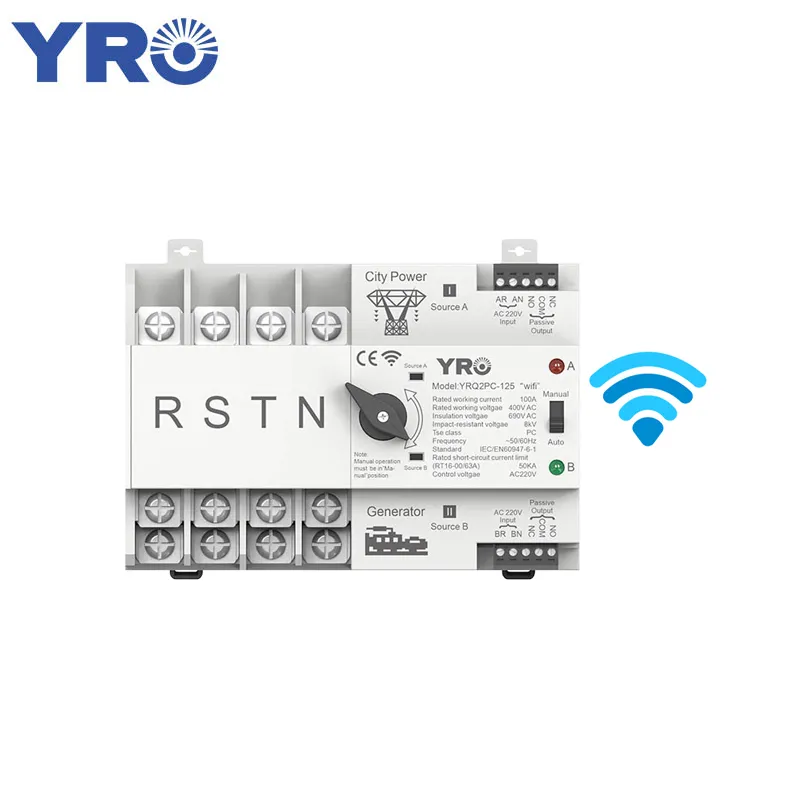
In the automatic mode, do not manually operate to switch the power supply. If manual switching is needed, switch the switch to the manual mode (the WiFi dual power switch is the same).
3،استخدام سلك غير مناسب
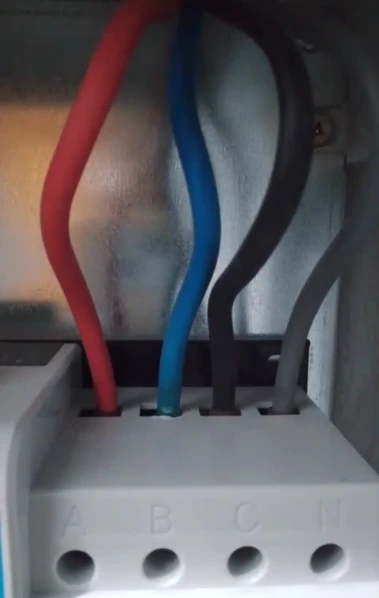
واحدة من أكثر الأخطاء شيوعًا التي تؤدي إلى ارتفاع درجة حرارة الأطراف وانصهارها هي عدم كفاية مساحة المقطع العرضي للموصل. تحت الظروف القياسية، يجب أن يستخدم مفتاح نقل الطاقة 63A سلك نحاسي بمساحة 10mm². ومع ذلك، يقوم بعض العملاء، في محاولة لتوفير التكاليف، باستخدام سلك نحاسي بمساحة 6mm² أو حتى 4mm² فقط.
تقدم هذه الممارسة المشاكل التالية:
- زيادة المقاومة
- زيادة توليد الحرارة أثناء التشغيل
- ارتفاع درجة حرارة الأطراف
- شيخوخة أو احتراق طبقة العزل
Solutions
- استخدم أسلاك نحاسية تلبي متطلبات التيار المقنن.
- قم بشد الأطراف وفقًا لعزم الدوران المحدد.
4،مصدر الطاقة الاحتياطي غير مفعل
المنطق الأساسي لجهاز تحويل الطاقة الأوتوماتيكي هو مراقبة حالة الجهد لمصدر الطاقة الرئيسي ومصدر الطاقة الاحتياطي باستمرار، ثم اتخاذ القرار بشأن ما إذا كان يجب التبديل. عندما لا يكون مصدر الطاقة الاحتياطي مفعلًا، فلن يتبدل المفتاح تلقائيًا.
Solution
قم بتشغيل مصدر الطاقة الاحتياطي.
5،الأطراف التحكمية غير موصلة
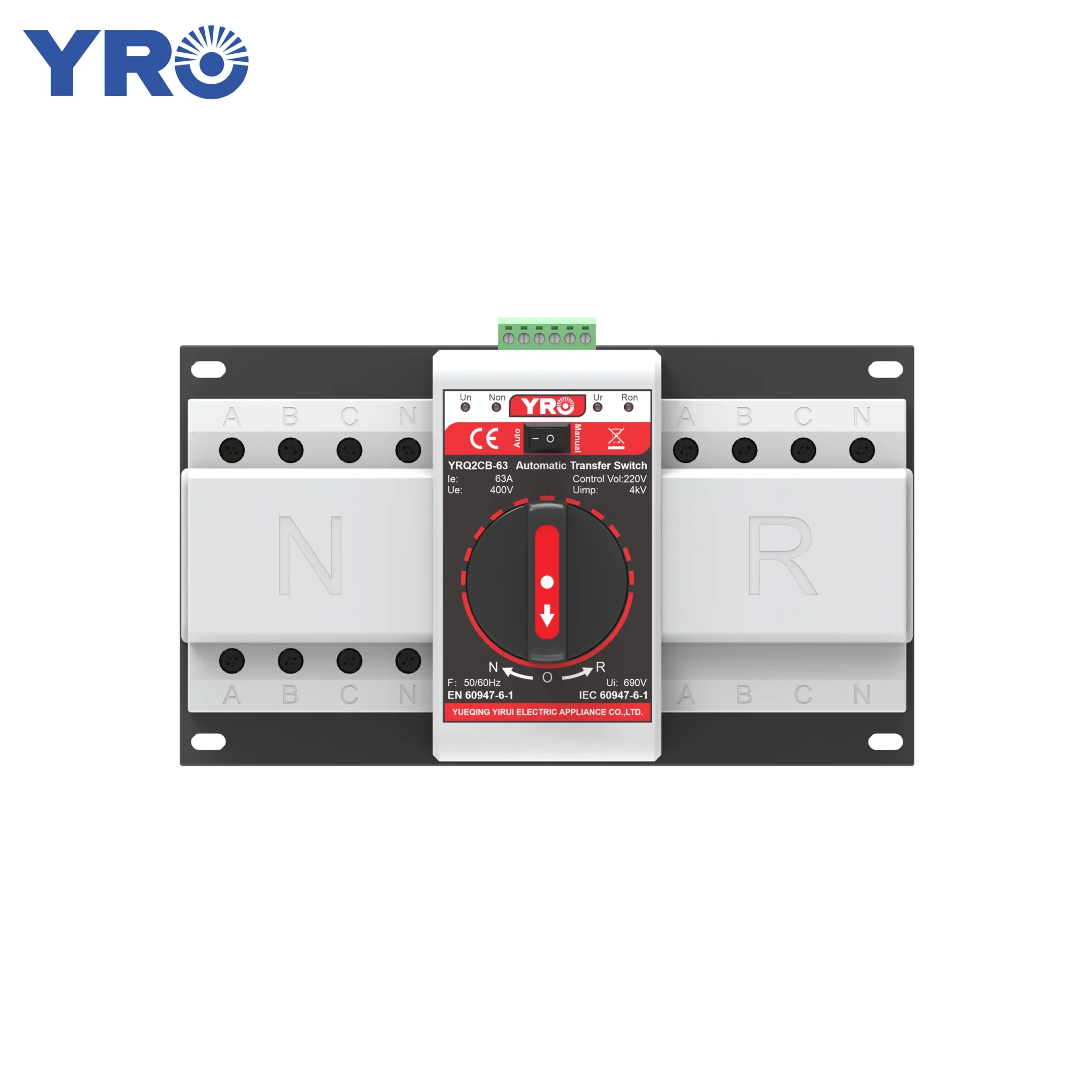
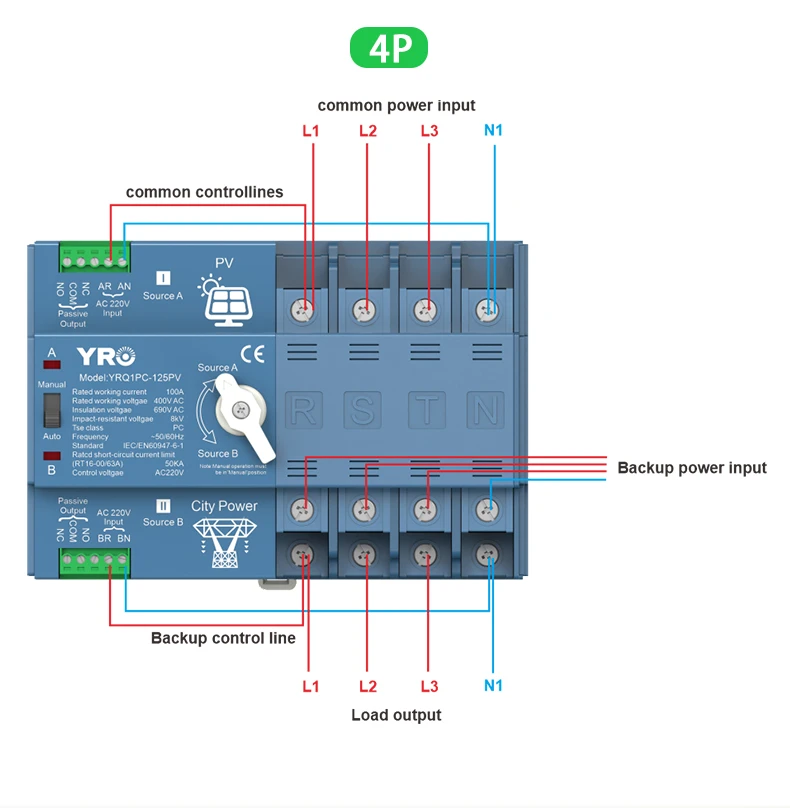
عند التوصيل، يرجى الانتباه إلى الطرفين الأخضرين على الجانب الأيسر؛ حيث يتم استخدامهما لتوصيل أسلاك التحكم. توفر أسلاك التحكم في المقام الأول إشارات التحكم وإشارات الكشف للمعدات، مما يمكّن مفتاح نقل الطاقة to judge the power source status and execute automatic transfer. If the control terminals are not connected, the switch’s indicator lights will not illuminate, and it will be impossible to transfer the power source.
Solutions
Connect the wires to the control terminals.
6、Terminals Too Large, Taking Up Space
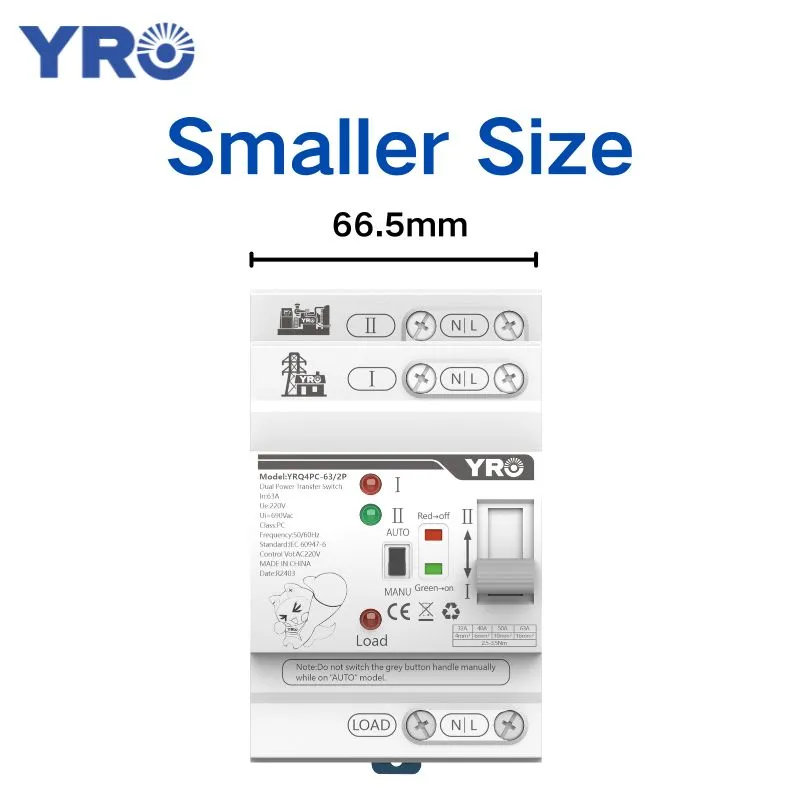
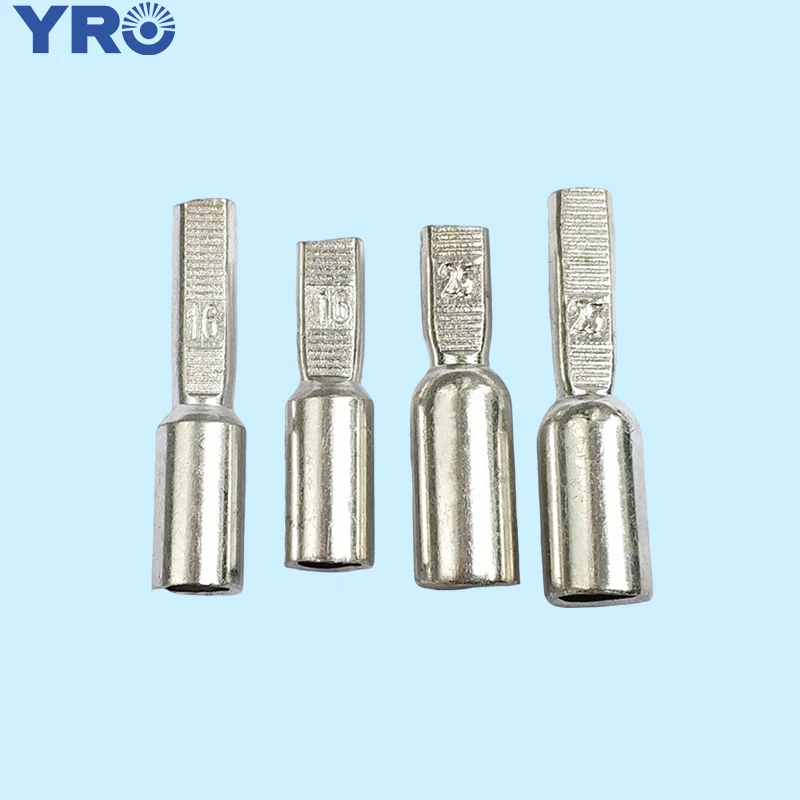
One customer reported that when installing a dual-power conversion switch in a small distribution box, the ordinary terminal connectors would occupy a considerable amount of space. Moreover, since 16mm² cables need to be connected, the wiring space further decreased, making it inconvenient for electricians to connect and fix the cables.
Solution
Use pin-type terminal connectors.
Conclusion
Uninterruptible power transfer switches play a vital role in power systems, but their stability depends on correct installation and proper use.
Before determining whether there is a problem with the equipment itself, it is recommended to first inspect various aspects such as the installation environment, wiring methods, power supply conditions, and actual usage circumstances. Adhering to electrical codes and installation standards is essential to ensure stable system operation and extend the equipment’s service life.